Pet Portraits: What They Are and How to Choose One
A pet portrait is a considered, custom piece of art made from a photograph of your pet — not a filtered snapshot, and not, at its cheapest, a novelty print that fades within a season. In Britain, most searches for this lead to small independent studios of wildly varying quality, so it's worth knowing exactly what you're buying before any money changes hands. Fur d'Amore offers six named styles, each previewed free before payment and printed on archival canvas.
What Is a Custom Pet Portrait?
Strip away the marketing and a portrait, in the sense Tate uses the word, is a considered likeness of a specific subject — not a breed, not a type, but this animal, recognisably. A custom pet portrait applies that idea to a pet: you supply a photograph, and the result is a piece of portraiture built around that particular animal's face, markings and expression, rendered in a defined artistic style rather than a photo with a sticker effect over the top.
That distinction matters more than it sounds. Britain has a long, serious tradition of portraiture — walk through the National Gallery or the Wallace Collection and most of what hangs there is somebody's commissioned likeness. A pet portrait borrows that tradition deliberately, applying real conventions — pose, lighting, costume, setting — to a sitter who never sat for one of the Old Masters but arguably deserved to.
It's worth being precise about what a pet portrait is not, too. It isn't a collage, a meme template, or a photo run through a generic cartoon filter — those are different products, sold for different reasons, and there's nothing wrong with them, but calling them a "portrait" stretches the word further than it should go. A genuine pet portrait treats the animal as the sole, serious subject of the piece, the way a formal human commission would.
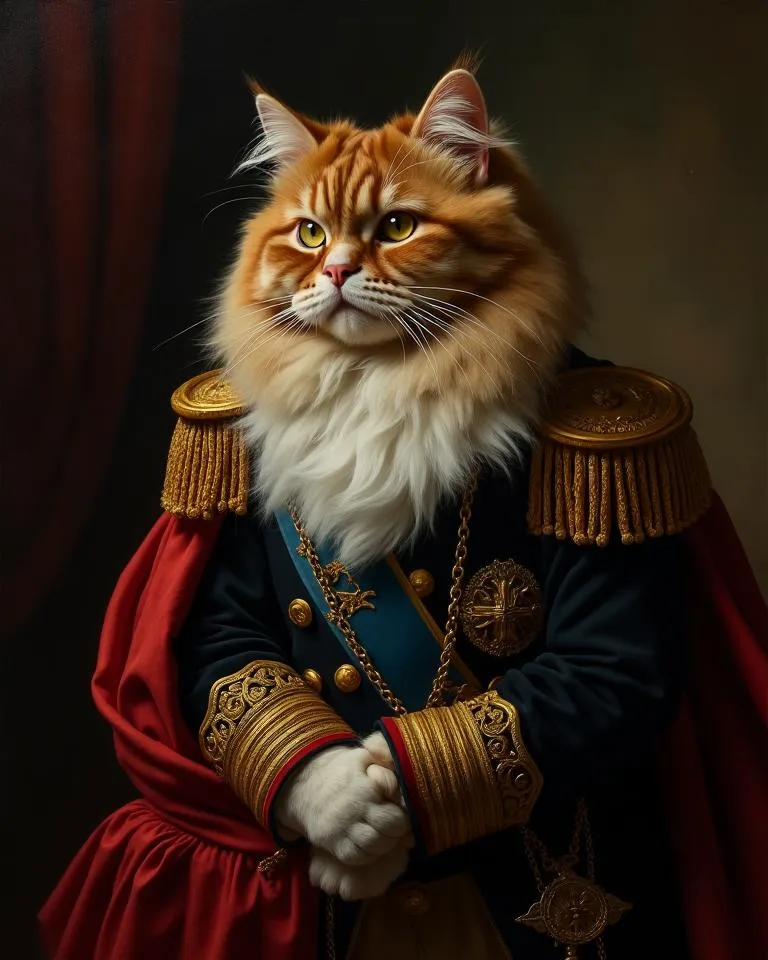
The Six Styles Available
Fur d'Amore offers six styles, and the differences run deeper than colour and costume — each borrows a distinct art-historical mood. Royal is the crown-and-ermine option. Aristocrat is quieter grandeur — tailoring rather than a throne. Renaissance sits closest to Fur d'Amore's core promise: rich colour, formal composition, the look of a piece that predates photography by centuries. Baroque pushes the drama further, with deep shadow and gilt. Military suits a subject with genuine presence — a large or square-jawed animal carries it particularly well. Romantic is the softest of the six, well suited to a couple, a cat curled into its favourite chair, or any subject whose story is tender rather than grand. All six can be compared for free before you decide, which is really the point: rather than reading six descriptions and guessing, you look at your own pet rendered in each one and pick the result you actually prefer.
There's no rulebook forcing a particular animal into a particular style. A scruffy terrier can carry Baroque as convincingly as a pedigree spaniel carries Aristocrat — the style is chosen for the mood wanted on the wall, not for any notion of which pet has "earned" grandeur.
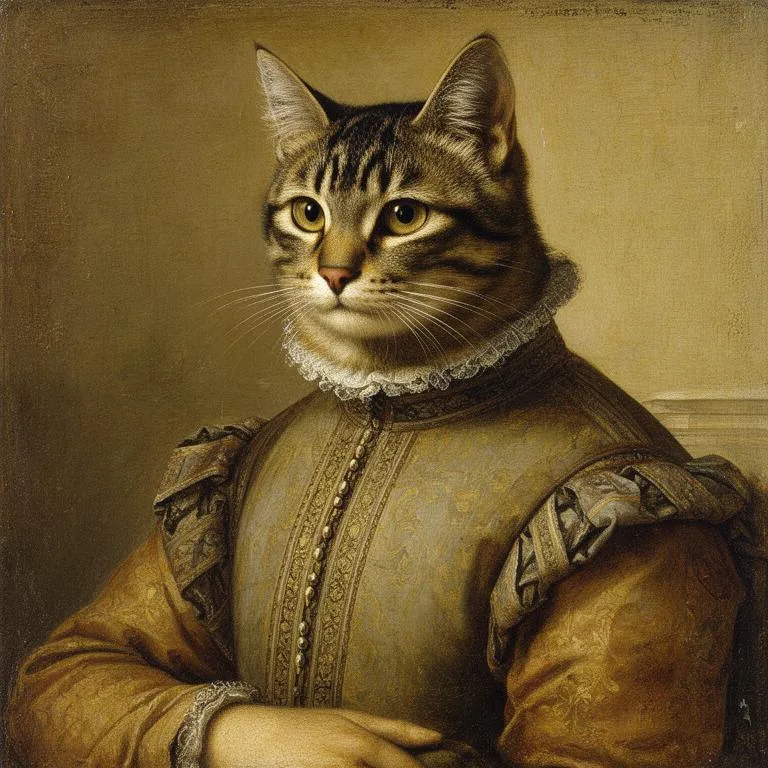
Keepsake or Novelty? What Actually Separates Them
"Pet portrait" gets used loosely online to cover everything from a genuine archival print to a cartoon avatar generated by an app and never printed at all. The real difference isn't price; it's whether the finished object is built to last. Giclée printing — the archival, pigment-based process serious galleries and photographers use — is the baseline for a keepsake. Ordinary inkjet on standard paper is not, and it shows within a year or two: colours shift, edges curl, and what looked charming on a phone screen looks cheap on a wall.
| What to check | Keepsake portrait | Novelty print |
|---|---|---|
| Printing | Archival, giclée-grade canvas built to resist fading | Standard photo paper or thin card stock |
| Framing | A named heirloom frame, ready to hang on arrival | Usually unframed, or a basic clip frame |
| Style | A distinct artistic style, chosen deliberately | A generic filter or cartoon effect |
| Proofing | A free preview of the actual portrait before payment | Often bought sight unseen |
| Intended life | Built to hang for years, arguably generations | Tends to curl or fade within a season |
None of this makes a novelty print worthless — sometimes a quick, silly image is exactly what's wanted, and that's a perfectly fair thing to buy. It simply isn't the same purchase as a keepsake, and it's worth being clear on which one is being paid for before the parcel arrives.
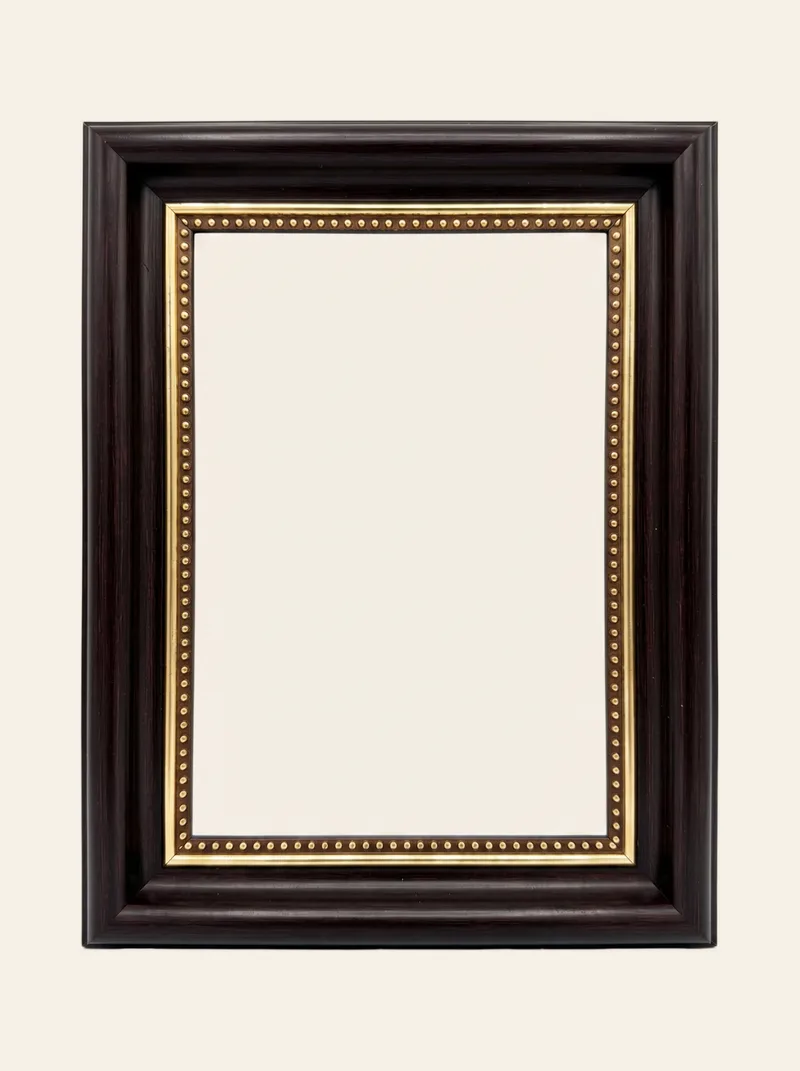
The frame matters more than buyers usually expect, too. A print that arrives loose, however good the image, still needs mounting and framing before it can go on a wall — two extra jobs, two extra costs, and two extra chances for something to go wrong on the way to actually hanging it. A heirloom frame chosen at the point of purchase removes both.
How Is a Fur d'Amore Portrait Actually Made?
Directly: the artwork itself is AI-powered. That isn't a footnote — it's the reason a free preview is possible at all. A traditional commissioned-painting studio generally can't show you the finished piece before it exists; Fur d'Amore can, because the image is generated from your own photo and chosen style, and you see the actual result before paying anything.
What follows the image is not automated. Archival canvas printing and heirloom framing are physical processes — ink, canvas, timber, glass — applied only after you've approved the preview. Fur d'Amore is rated 4.9/5 by 10,000+ customers, most of whom, reasonably, cared rather more about the print eventually hanging on their wall than about the process that generated the image on their screen.
The natural follow-up question is whether an AI-generated image can actually resemble a specific pet, rather than pets in general. It's generated from your own photograph, not a template, which is precisely why the preview step matters: you can judge the likeness against the animal you know before deciding whether to proceed, rather than trusting a stranger's promise that it'll "probably look similar."
How the Photo-to-Canvas Process Works
The mechanics are simple. Upload a photo — JPG or PNG, up to 10MB, and more than one if you're combining a pet with its owner or building a small group portrait. Pick a style. Fur d'Amore generates a preview from that specific photo, not a stock example, so what you see is genuinely what you'd be buying. Approve it, choose a size and a format — digital download, desk portrait, canvas, or heirloom frame — and the file goes to print. Every photo uploaded stays private throughout; nothing is shared or reused elsewhere.
The photo itself does most of the work. A sharp, well-lit, front-on shot of the face produces a noticeably better result than a blurry action shot or one taken from above — worth remembering before uploading whatever happens to already be on your phone. Multiple photos help when the plan is a group portrait — a dog and a cat together, say, or the whole household — since each subject benefits from being clearly visible in at least one frame, rather than half-hidden behind someone's elbow.
What to Look for When Buying a Pet Portrait in Britain
The UK market for pet portraits is crowded with small studios, and quality varies enormously between them. A short checklist helps. Does the seller show the actual finished piece before payment, or only a generic example photographed years ago? Is the print described as archival, or does the listing avoid the word entirely? Is a frame included, or an expensive extra discovered at checkout? Does the price display in pounds, with shipping made clear before commitment? And does the seller name a specific, deliberate style, rather than promising something vaguely "artistic"?
It's also worth checking how the seller handles a photo that doesn't quite work — a pet mid-blink, or a background that's more clutter than charm. A studio confident in its process will say so plainly during the preview stage rather than after the print has already shipped, which is exactly why a free, pre-payment preview is worth insisting on rather than treating as a nice extra.
None of this matters as much as the animal behind the photograph being a well cared-for one. General welfare advice from the PDSA is worth a read regardless of whether a portrait is ever ordered.
Pricing and Delivery to the UK
Prices run from around £15 for a digital download to about £226 for the largest heirloom framed canvas, with desk portraits and unframed canvas in between; the exact figure moves with exchange rates and is confirmed at checkout. Fur d'Amore ships to the United Kingdom, and every price displays in pounds from the outset. Digital downloads are available instantly; printed and framed portraits take 5–7 business days for production, and international delivery typically takes 7–14 business days, as stated in the questions section of the Fur d'Amore homepage.
Demand for pet portraits in the UK isn't spread evenly across the year — Mothering Sunday in March, Christmas, and birthdays account for a large share of orders, with Father's Day and Valentine's Day close behind. Because the preview happens before payment, ordering ahead of a date carries little downside: the finished portrait is already confirmed before it needs wrapping.
For parcels arriving from outside the UK, general UK rules on import VAT and duty can apply above certain values, and HMRC publishes the current thresholds. Read the guidance on GOV.UK before ordering from any overseas retailer, this one included.
For style-specific detail, the dog and cat guides go further: see dog portraits and cat portraits, or browse every style side by side at the full portraits collection. Questions about sizing, formats or the process are covered in the FAQ, and the UK hub holds the complete price ladder and every related page in one place.
Sources and further reading
Frequently asked questions
What exactly is a custom pet portrait?
It's a piece of portraiture made from a photograph of your pet: a considered, styled likeness of that specific animal rather than an edited photo. Fur d'Amore generates it in one of six named artistic styles, previews it free, and prints approved portraits on archival canvas or in a heirloom frame.
Is a Fur d'Amore pet portrait AI-generated?
Yes. The artwork itself is AI-powered, which is what makes a free preview of the actual finished piece possible before any payment. The physical side is not automated — archival canvas printing and heirloom framing are applied only after the digital preview has been approved.
How do I know if a pet portrait seller in the UK is any good?
Check whether they show your actual finished portrait before you pay, whether the print is described as archival, and whether a frame is included rather than an expensive extra. A seller who names a specific style, prices in pounds, and previews for free is a safer bet than one selling a vague promise.
What sizes and prices are available in pounds?
Fur d'Amore's UK prices run from around £15 for a digital download to about £226 for the largest heirloom framed canvas, with desk portraits from £60 and unframed canvas from £98 in between. Prices move with exchange rates, so the live figure is confirmed at checkout.
Does Fur d'Amore ship pet portraits to the UK?
Yes, Fur d'Amore ships to the United Kingdom and every price is shown in pounds. Shipping is calculated at checkout before payment. For parcels arriving from outside the UK, general UK import VAT and duty rules can apply above certain values, as set out in HMRC's published guidance.