Dog Portraits: A Guide to the Four Canadian Seasons
A Canadian dog gets photographed against four completely different backdrops in a single year, and each one causes its own specific problem: winter snow that fools a camera into a silhouette, spring mud and grey light, summer glare at the cottage and on the water, and autumn colour that can either flatter a dog or fight it. This guide runs through all four — the problem, the fix, and which of Fur d'Amore's six styles suits the mood each season creates — before a short word on Canadian breeds and pricing.
Winter: Snow, Silhouettes and the Exposure Fix
For a large part of the Canadian year, a dog photo means snow in the frame — the backyard, the cottage trail, the dog park the morning after a fresh dump. Snow causes a specific, well-understood problem: a camera's automatic metering assumes a scene should average out to a middling grey tone, and a frame filled with bright white snow breaks that assumption badly. The camera underexposes the whole shot trying to pull the brightness back down, which turns clean snow a flat grey and pushes everything darker than the snow, the dog included, further into shadow than it should be. A dark-coated dog suffers worst: a black Labrador or the black patches on a Bernese Mountain Dog can end up a near-featureless silhouette, exactly the part of the photo a portrait depends on most.
The fix is straightforward once the problem is understood. Dial in positive exposure compensation, roughly one to two stops brighter, any time snow fills a meaningful part of the frame. On a phone, tap the dog's face to set focus and exposure there rather than letting the camera average the whole scene, then drag the exposure slider up until fur detail is visible. Keep the sun behind or to the side rather than shooting toward it, since backlighting against snow is the fastest route to a silhouette. Overcast days are genuinely easier than bright sun, since flat light narrows the gap between white snow and dark fur. For a black or dark-coated dog, it's worth letting the snow itself go slightly too bright rather than losing the face to shadow.
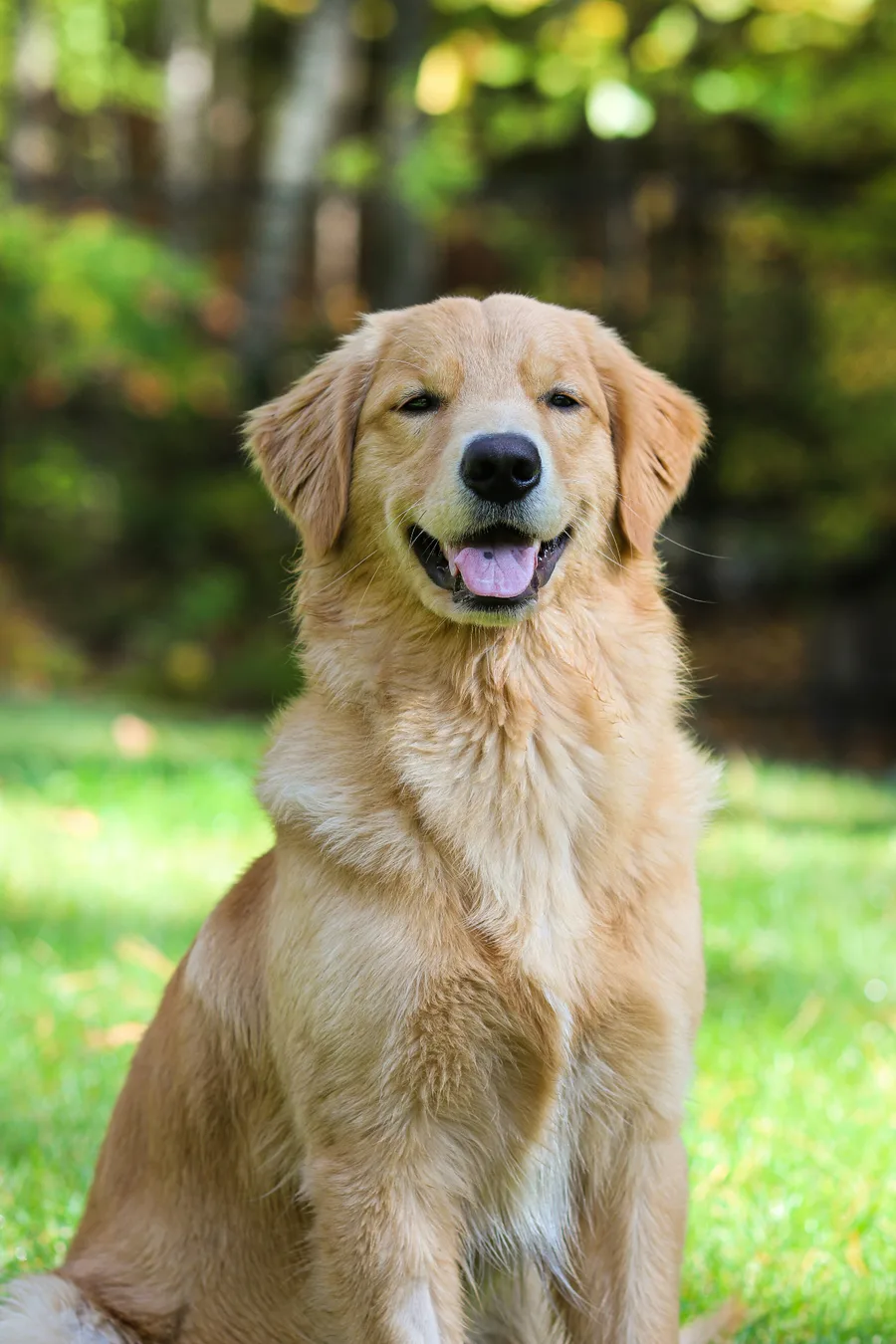
Once exposed correctly, winter's stark contrast — white snow, dark fur, low flat sky — suits Baroque particularly well: the style's deep shadow and gilt were built for exactly this kind of contrast, turning what tricked the camera into the portrait's actual strength.
Spring: Mud, Grey Light and a Softer Problem
Spring swaps snow's overexposure problem for the opposite one. Melting snow leaves mud, grey slush and a flat, low sky for weeks across most of Canada, and that combination tends to produce dull, underlit photos rather than blown-out ones — the reverse failure mode from winter, but a failure mode all the same. A dog photographed under a uniformly grey spring sky often comes out flat and a little lifeless, with none of winter's stark contrast or summer's warmth to give the image shape.
The fix here is less about exposure compensation and more about finding contrast where the season doesn't offer much on its own. A patch of still-green grass, a brightly coloured leash or blanket, or simply getting down to the dog's eye level instead of shooting from standing height all help separate the subject from a flat grey backdrop. Indoor light near a window often outperforms an overcast spring afternoon outside, particularly for a dog who'd rather avoid the mud entirely. Once a clear, reasonably lit photo exists, spring's gentler mood suits Romantic: the softest of the six styles matches a season that's quieter and less dramatic than the one either side of it.
Summer: The Cottage, the Water and Backlit Fur
Summer brings its own problem, and it's less about grey skies than too much of the opposite. Bright sun on water at the cottage creates heavy glare and deep backlighting, particularly for a dog swimming or standing at the shoreline with the lake behind it — the same silhouette risk snow causes in winter, just caused by reflected sunlight instead of reflected snow. A wet coat adds a further complication, since water flattens and darkens fur, hiding texture a dry coat would show clearly.
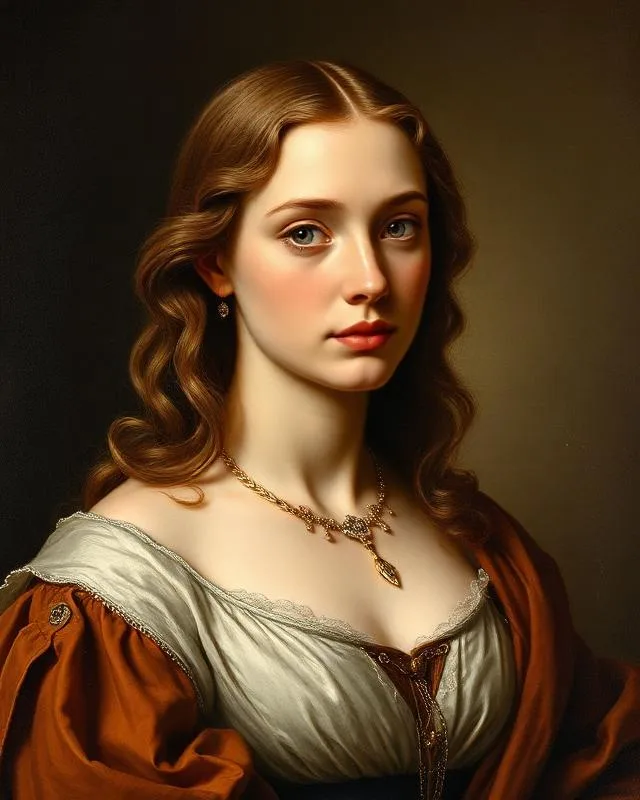
Shooting with the sun behind the camera rather than behind the dog solves most of it, the same principle as the winter fix in reverse. Early morning or early evening light at the cottage is easier to work with than the harsh overhead sun of early afternoon, and a dry, brushed coat photographs with far more visible texture than a dog fresh out of the lake. Once a workable photo exists, summer's warm, golden-hour light at the water suits Renaissance especially well — the style's warm, painterly tone matches the actual colour temperature of a cottage evening rather than fighting it.
Autumn: Colour as a Free Backdrop
Autumn is the one season that mostly works in a dog photographer's favour rather than against it. Canada's autumn colour is a genuine natural backdrop, and it's part of a recognized artistic tradition in its own right — the landscapes at the McMichael Canadian Art Collection are built substantially around exactly this palette of reds, golds and rust. A dog photographed against fallen leaves or a stand of turning maples gets colour contrast handed to it for free, with none of the exposure fighting winter or summer demand.
The one genuine risk is a coat colour that blends into the backdrop rather than standing out from it — a red-coated dog against a carpet of red and orange leaves can lose definition the same way a black dog can vanish into snow, just less severely. Positioning a warm-coated dog against a patch of still-green grass or evergreen rather than the densest part of the leaf colour usually solves it. Once solved, autumn's rich, warm palette suits Aristocrat well: a quieter, tailored elegance that complements the season's colour rather than competing with Baroque's drama for attention.
The Four Seasons at a Glance
A short summary of each season's problem, fix and best-matched style, side by side.
| Season | Photo problem | The fix | Suited style |
|---|---|---|---|
| Winter | Snow tricks the camera's meter into underexposing the dog | Positive exposure compensation; expose for the face, not the snow | Baroque |
| Spring | Flat grey light and mud make photos dull and underlit | Find colour contrast; try indoor window light instead | Romantic |
| Summer | Glare off water and backlighting risk a silhouette | Shoot with the sun behind the camera; dry coat before shooting | Renaissance |
| Autumn | A warm coat can blend into equally warm fallen leaves | Position against green or evergreen, not the densest leaf colour | Aristocrat |
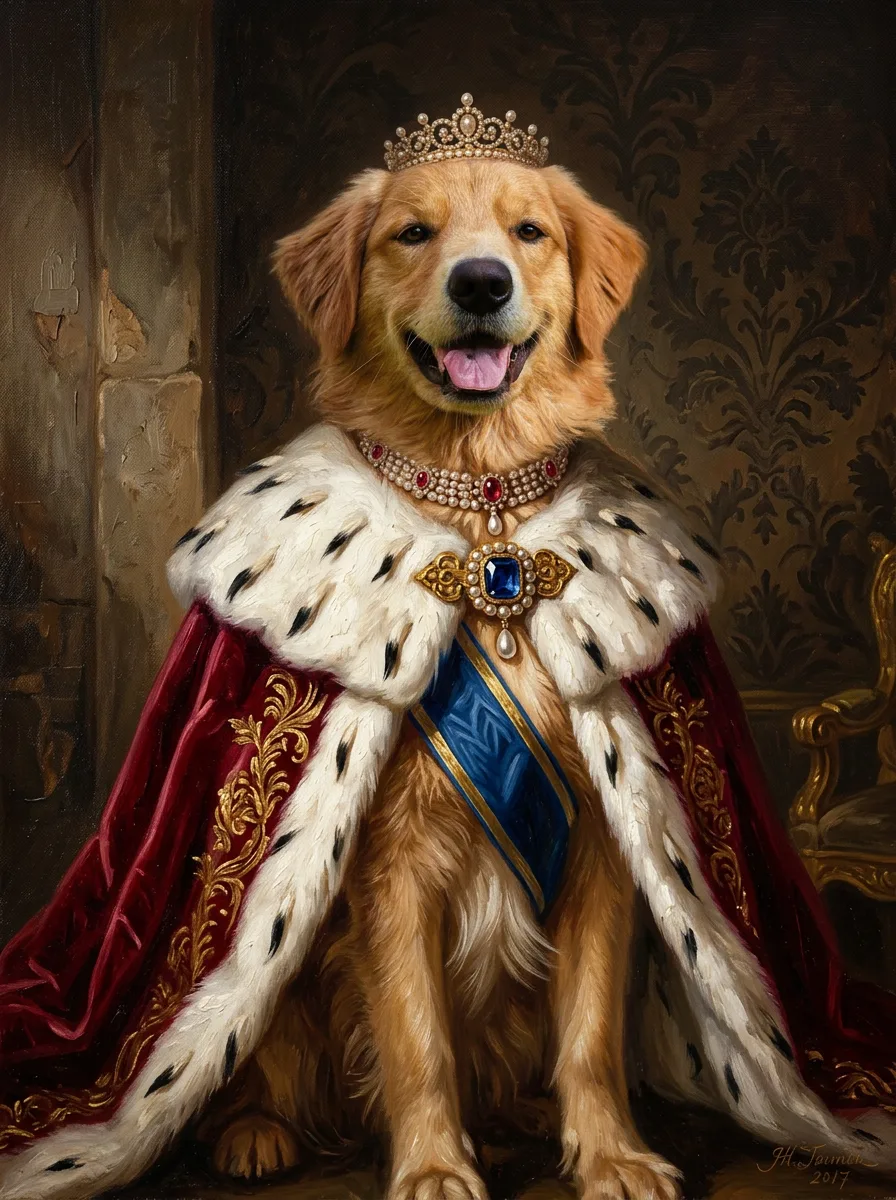
None of this is a rule so much as a starting point — Royal and Military both carry a dog just as well in any season, and the free preview remains the only opinion that actually settles it for a specific animal.
Canadian Breeds, Briefly
Temperament tends to matter more than breed for portrait purposes, but breed is a reasonable starting point. Golden Retrievers and Labradors generally suit the softer styles, Romantic and Aristocrat, given their open, friendly expressions. A Siberian Husky's ice-blue eyes and working heritage suit Military's formal bearing. A Bernese Mountain Dog's dramatic tri-colour coat gives Baroque real contrast to work with, and an Australian Shepherd's mismatched eyes generally suit Royal's outsized self-importance. A Canadian Kennel Club-registered pedigree carries any of the six styles just as well as a mixed-breed rescue of no fixed heritage — organized breed standards matter less here than the individual dog's own face and colouring, much as formal portraiture has always cared more about the specific sitter than their pedigree. Whichever of the six — Royal, Aristocrat, Renaissance, Baroque, Military or Romantic — ends up chosen, the free preview is what actually confirms it, season and breed both being starting points rather than rules.
Whichever season the photo comes from, the dog behind it deserves the same care as the finished piece. Humane Canada and the Canadian Veterinary Medical Association both publish sound seasonal advice, from cold-weather paw care in January to water safety at the cottage in July.
Pricing and Delivery to Canada
Dog portraits sit on the same Canadian price ladder as every other Fur d'Amore piece, from roughly $27 CAD for a digital download to about $425 CAD for the largest heirloom-framed canvas, with desk portraits and plain canvas in between. Every figure displays in Canadian dollars and moves with exchange rates, confirmed at checkout, and printing is to an archival, giclée-grade standard once a preview is approved. Fur d'Amore ships to Canada. Digital downloads are available instantly; printed and framed portraits take 5–7 business days for production, and international delivery typically takes 7–14 business days, as stated in the questions section of the Fur d'Amore homepage.
For parcels arriving from outside Canada, general Canadian rules on GST/HST and duty can apply above certain values, typically collected by the courier or Canada Post on delivery — this isn't specific to dog portraits, it's how overseas parcels are generally handled. A dog portrait suits most of the Canadian calendar regardless of season: Thanksgiving in October, Christmas, a birthday, or no occasion beyond the dog deserving it.
The full category guide sits at pet portraits, with every style laid out at the portraits collection. A cat in the same household gets its own seasonal guide at cat portraits. A dog nearing the end of its life is a different, gentler subject, handled separately at dog memorial gifts, and the complete Canadian collection sits at the Fur d'Amore Canada hub.
Sources and further reading
Frequently asked questions
Why do dog photos taken in Canadian snow turn out so badly?
Snow tricks a camera's automatic metering, which assumes a scene should average out to a middling grey tone. Facing a bright white frame, the camera underexposes the whole shot, turning snow dull and pushing the dog further into shadow — a dark-coated dog can end up an almost featureless silhouette as a result.
What style suits a dog photographed at the cottage in summer?
Renaissance tends to suit it best. Summer light at the water, especially early morning or evening, has a warm golden-hour quality that matches Renaissance's warm, painterly tone directly. Shooting with the sun behind the camera rather than behind the dog avoids the glare and backlighting that lake water creates.
Does autumn colour help or hurt a dog portrait photo?
Mostly help — Canada's autumn colour is a natural, free backdrop with genuine artistic pedigree. The one risk is a warm-coated dog blending into equally warm fallen leaves, which positioning against green grass or evergreen usually solves. Aristocrat's tailored, warm-toned elegance suits the resulting palette well.
What's the best way to photograph a dog in spring mud season?
Spring's flat grey light tends to produce dull, underlit photos rather than the overexposure snow causes. Look for colour contrast against the grey — green grass, a bright leash — or try indoor window light instead. Once a clear photo exists, Romantic's softer mood suits spring's quieter feel.
Does Fur d'Amore deliver dog portraits across Canada, and in what currency?
Yes, Fur d'Amore ships to Canada and every price displays in Canadian dollars. Shipping is calculated at checkout before payment. For parcels arriving from outside Canada, general Canadian rules on GST/HST and duty can apply above certain values, typically collected by the courier or Canada Post on delivery.