Dog Memorial Gifts in Canada: The Weeks Afterwards
If your dog has died, this page is written for you — a dog owner in Canada working through the weeks afterwards — not for someone choosing a sympathy gift on your behalf. It walks through the practical questions that tend to come up in no particular order: what to do with the collar and the bed, whether to keep the toys, how to explain it to a child, what to do with the hundreds of photos already on your phone, whether to consider another dog and when, and where a portrait might fit among all of it. Choosing something for someone else instead? Fur d'Amore's pet memorial gifts guide is the better starting point. None of it needs to happen this week, this month, or in the order it's listed here — grief doesn't move in a straight line, and neither does working through what's practical.
What to do with the collar and the bed
There's no correct timeline for this, whatever it might feel like in the first few days. Some people put the collar away almost immediately, in a drawer or a memory box with a few photographs; others keep it out, on a hook by the door, for months or longer. Both are ordinary. The bed tends to be harder, if only because of its size — donating it to a shelter or rescue, if it's still in good condition, is one option that at least gives it a use, though there's no obligation to decide anything about it quickly, or at all, before you're ready. If it helps, there's a middle option too: some people keep the collar somewhere quiet for a while, not on display and not put away either, until it becomes clearer which of the two feels right.
Whether to keep the toys
Toys sit somewhere between the collar and the bed in difficulty — small enough to keep without much trouble, but often more loaded with memory than either. Keeping a single favourite, rather than the whole basket, is common, and passing the rest to a shelter or a friend's dog still living is a way of letting them be useful again rather than simply gone. There's no wrong choice here either. Some people keep everything for a year and decide later; others clear the basket within a week because seeing it stops them in the doorway every time. Neither says anything about how much the dog was loved. A local shelter or rescue will often take gently used toys and bedding without question, which can make the decision easier when the object itself, not the timing, is what's holding things up.
How to explain it to a child
Honest, age-appropriate language tends to serve a child better than a softened version of events, even though the instinct to soften it is entirely understandable. Saying the dog has died, rather than "gone to sleep" or "run away," avoids confusion and, sometimes, real fear later on — a child who believes sleep or a trip to the vet can end this way may struggle with either for a long time afterwards. It helps to let the child ask questions more than once, since the same question returning a few days later isn't a sign anything went wrong the first time it was answered. Different children process this differently, too — some want to talk about it constantly for a few days and then rarely again, while others need much longer before they raise it at all, and both are normal responses to the same loss.
What to do with the photos on your phone
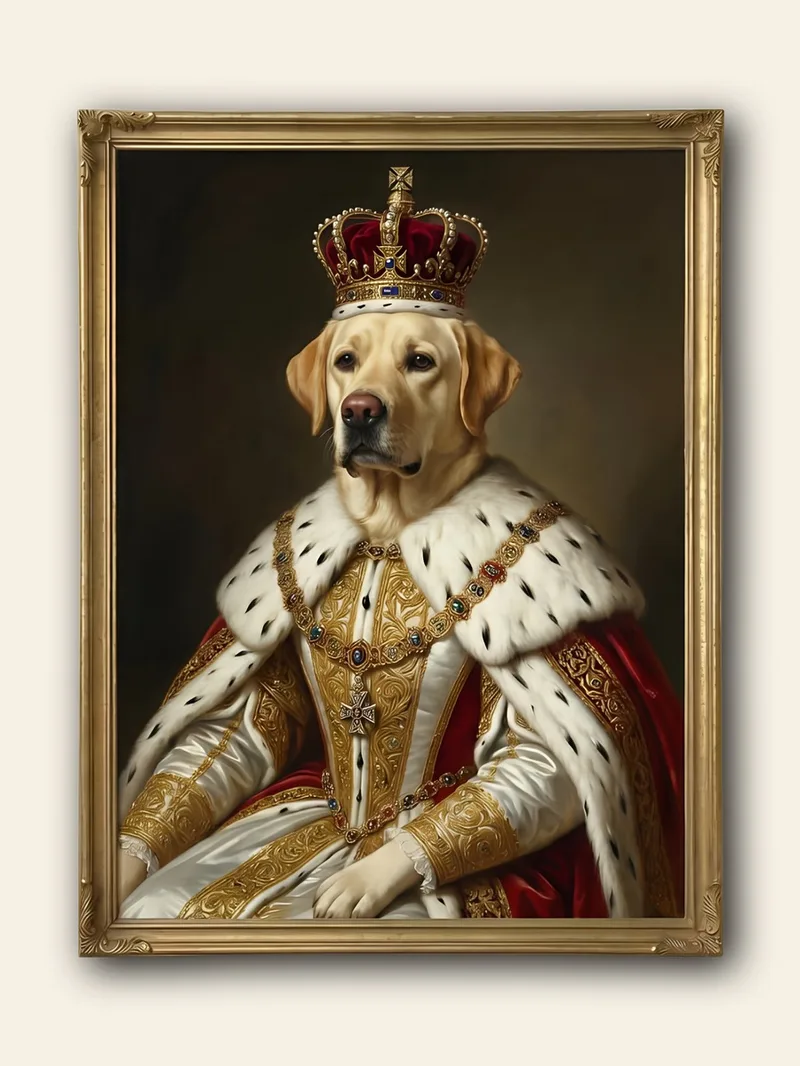
Most owners now have hundreds of ordinary photos of a dog rather than one good one, and deciding what to do with all of them can feel unexpectedly difficult. There's no need to do anything with them immediately, or to choose a single favourite right away. When you are ready, printing even one, a proper print rather than a photo left on a phone that could be lost, dropped or replaced, is a small, low-pressure way to make something permanent out of what would otherwise just sit in a camera roll. A portrait is one option built entirely around this same idea, covered further down this page. Backing up the full folder somewhere safe, even without printing anything yet, removes one small source of worry — the fear of losing a phone, or having it break, before deciding what any of it should become.
When, and whether, to consider another dog
There's no correct amount of time to wait, and no obligation to get another dog at all. Some people know within weeks; others wait years, or never do, and both are complete decisions rather than unfinished ones. What tends to help, when the time does feel right, is being honest that a new dog won't replace the one who died — it will simply be its own dog, with its own habits, arriving into a house that already knows how to love one. Nobody else, however well meaning, is in a position to decide this timeline on your behalf. It's also worth noting that wanting another dog soon doesn't mean the last one mattered less, just as waiting years doesn't mean you're stuck — both are simply different paces through the same kind of loss.
Where a portrait fits among all of this
A portrait is not a required step in any of this, and it will not suit everyone; privacy suits some people better — the memory stays theirs alone, or the photos already saved on a phone already feel like enough. For those who do want one, Fur d'Amore's memorial portrait option works from a photograph already taken, so nothing needs staging specially, and the full range of formats sits on the dog portraits page. The artwork itself is AI-powered, which is what makes a free preview possible before any payment changes hands. What follows is physical work: archival canvas printing and a heritage frame built to keep its colour through years on a wall, not just a season or two. A printed piece runs from around CAD $27 for a digital file to CAD $425 for a large heirloom-framed canvas, shown throughout in Canadian dollars; prices move with exchange rates, so whatever number appears at checkout is the one that applies. There's no need to decide today — a preview costs nothing to look at, and stopping there costs nothing either. Choosing a photograph for it, when the time comes, doesn't need to be the most recent one or the most flattering one — often it's simply the photograph that already feels like the dog, whichever one that turns out to be.
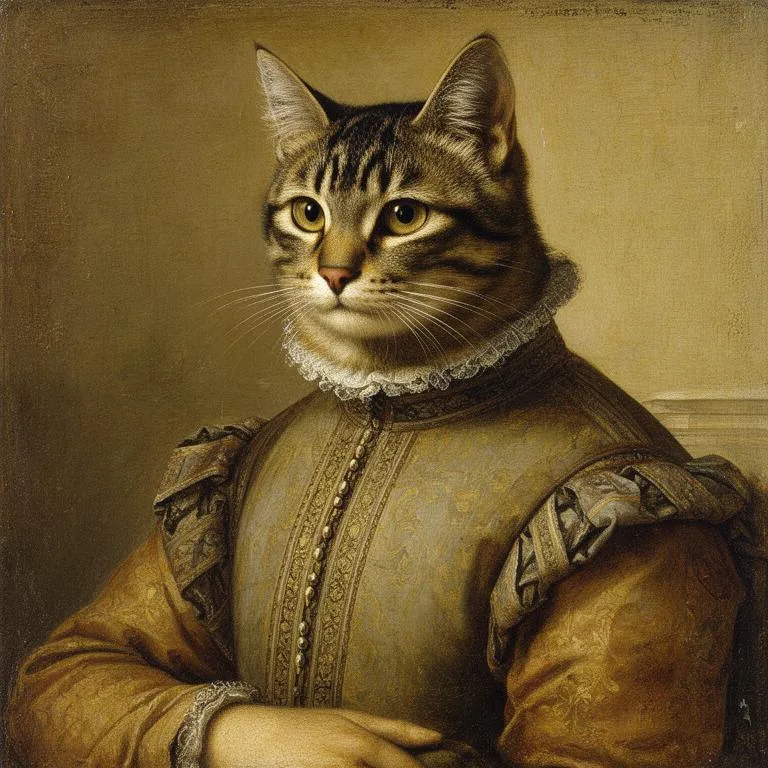
This isn't a new idea so much as an old one revisited. Canadian galleries have kept commissioned likenesses for exactly this purpose for a very long time, and the Vancouver Art Gallery is a reasonable place to see what that tradition looks like once its subjects are long past minding how they were rendered.

The weeks afterwards, at a glance
None of this needs to happen in order, or on any particular week. Some of these will matter within days; others might not come up for months, if at all, and that's entirely normal too.
| Question | What tends to help | Timing |
|---|---|---|
| The collar and the bed | Keep, store or donate — whichever feels manageable right now | No deadline; some decide in days, others in months |
| The toys | Keep a favourite; pass the rest to a shelter or another dog | Entirely personal |
| Explaining it to a child | Honest, simple words, repeated if they ask again | As questions come up, not just once |
| The photos on your phone | Print one when ready, so it can't be lost with the phone | Whenever it feels right, if at all |
| Another dog | Consider it only when it feels right, never as a replacement | Weeks, years, or never — all complete decisions |
| A portrait | One option among several, worth a free preview if curious | No obligation until it's approved |
Support and delivery across Canada
Losing a dog is a recognized form of grief, taken seriously by most Canadian veterinary and welfare organizations. Humane Canada, the Ontario SPCA and the BC SPCA all publish practical guidance for the period after a dog dies, and the Canadian Veterinary Medical Association is a sensible place to start when the loss came at the end of a hard decision made together with a vet, rather than suddenly. Grief like this rarely fades in a straight line, either — it can resurface without warning around a birthday, an anniversary of the diagnosis, or an ordinary afternoon that offers no explanation at all, and none of that undoes the healing that came before it. International welfare bodies such as Humane World for Animals now study the human-animal bond directly, putting formal weight behind something most dog owners never doubted in the first place. Fur d'Amore's own guide on coping with the loss of a pet goes into more of this.
Fur d'Amore ships to Canada, and every price is shown in Canadian dollars throughout. Shipping is calculated at checkout, before payment, and anyone weighing a portrait sees a free preview before anything else happens, so there's nothing to commit to sight unseen. Digital downloads are available instantly; printed and framed portraits take 5–7 business days for production, and international delivery typically takes 7–14 business days, as stated in the questions section of the Fur d'Amore homepage. For parcels arriving from outside Canada, general rules on GST, HST, provincial tax and, above certain values, duty can apply to goods arriving from overseas, generally collected by the courier or Canada Post along with a handling fee. Choosing something for someone else rather than working through this yourself? The pet memorial gifts guide covers what suits a partner, a close friend, a colleague, a parent or a child, and is likely the more useful page. Questions about sizing, formats or how orders work are answered in the FAQ.
Sources and further reading
Frequently asked questions
What should I do with my dog's collar and bed after they die?
There's no correct timeline. Some people put the collar away immediately or keep it on a hook by the door for months; either is ordinary. A bed still in good condition can be donated to a shelter or rescue if that feels right, though there's no obligation to decide anything about it quickly, or at all, before you're ready.
How do I explain a dog's death to a child?
Honest, age-appropriate words tend to help more than softened phrases like "gone to sleep," which can cause confusion or fear later on. Saying plainly that the dog has died, and letting a child ask the same question more than once over the following weeks, is a reasonable approach. Repeated questions aren't a sign anything went wrong the first time.
How soon is too soon to get another dog after losing one?
There's no correct amount of time, and no obligation to get another dog at all. Some people know within weeks, others wait years or never do, and all of these are complete decisions rather than unfinished ones. A new dog, when the time feels right, doesn't replace the one who died; it simply becomes its own dog.
Does Fur d'Amore deliver dog memorial portraits across Canada?
Yes. Fur d'Amore ships across Canada, with every price shown in Canadian dollars and shipping calculated at checkout before payment. A free preview is always shown first. For parcels arriving from outside Canada, general rules on GST, HST, provincial tax and duty can apply above certain value thresholds, collected by the courier or Canada Post on delivery.
What does a dog memorial portrait cost in Canada?
Fur d'Amore's Canadian prices run from around CAD $27 for a digital download to CAD $425 for a large heirloom-framed canvas, with desk portraits and unframed canvas priced in between. Prices move with exchange rates, so the exact figure is confirmed at checkout. A free preview is shown first, at no cost.