How to Cope With Losing a Pet: A Gentle Guide Through Grief

Losing a pet is real grief, and it deserves to be treated that way. There is no fixed timeline and no "right" way to mourn a companion who shared your daily life. What helps most is allowing yourself to feel the loss, leaning on people who understand, and finding small ways to honor the bond. This gentle guide covers what to expect, practical ways to cope, and where to find support.
Why losing a pet hurts so much
Pets are woven into the fabric of ordinary life — the morning routine, the greeting at the door, the warm weight beside you in the evening. When they're gone, the absence shows up in a hundred small moments. That ache is a measure of love, not weakness. Grief for an animal is genuine grief, and you don't need to justify it to anyone.
What grief can feel like
Everyone mourns differently, but common experiences include:
- Waves of sadness that arrive unexpectedly — a sound, a time of day, an empty spot on the floor.
- Guilt or "what ifs," especially after an illness or a difficult decision. These thoughts are common and rarely fair to yourself.
- Disrupted routines, since so much of daily life was shared.
- Relief mixed with sadness, particularly after a long illness — this is normal and not a betrayal.
There's no schedule to any of this. Some days are lighter; some arrive heavier without warning. Both are part of healing.
| Resource | What it offers |
|---|---|
| Your veterinary clinic | Many keep lists of local pet-loss support groups |
| Pet-loss support hotlines | Free, anonymous listeners who understand the bond |
| Grief counselors | Professional support when loss disrupts daily life |
| Memorial rituals | A goodbye letter, a planted tree, a portrait on the wall |
Gentle ways to cope
- Let yourself feel it. Suppressing grief tends to prolong it. Tears, quiet, and hard days are all allowed.
- Keep some routine. Simple anchors — meals, a daily walk, sleep — steady you when everything feels off.
- Talk to someone who understands. A friend who has loved an animal, an online pet-loss community, or a counselor. Being understood, rather than fixed, is what helps.
- Write it down. A letter to your pet, or a few favorite memories, can give the love somewhere to go.
- Be patient with the firsts. The first quiet morning, the first walk alone — these soften with time.
Honoring your pet
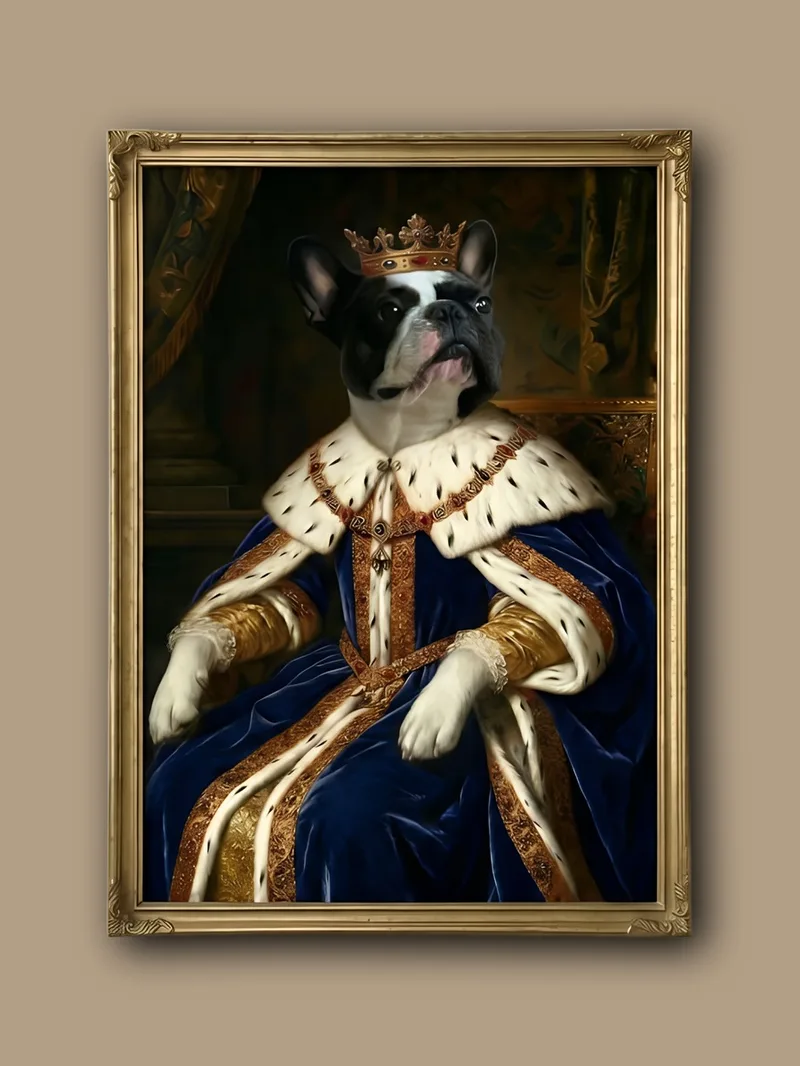
Many people find comfort in a small act of remembrance — not to "move on," but to keep the bond present. That might be a planted tree, a donation to a shelter in their name, a memory box of their collar and favorite toy, or a portrait that captures their character as you knew it. A portrait in particular shifts the focus from how they were lost to how they were loved. There's no rush; a tribute is just as meaningful weeks or months later, when you're ready. For more ideas, see our guide to pet memorial gifts.
Helping a child through pet loss
For many children, this is their first experience of death. Use clear, honest language, let them see that it's okay to be sad, and invite them to take part in remembering — drawing a picture, sharing a favorite story, or helping choose a keepsake. Reassure them that their feelings are normal and that the love doesn't disappear.
Should you get another pet?
There's no correct timeline. Some people find comfort in welcoming a new animal sooner; others need much longer. A new pet is never a replacement — each relationship is its own. Wait until it feels like opening your heart again rather than filling a gap, and don't let anyone rush you in either direction.
Where to find support
If grief feels overwhelming or you're struggling to cope day to day, you don't have to manage alone. Pet-loss support lines and grief counselors exist specifically for this, and many veterinary schools and animal hospitals can point you to local or online resources. Reaching out is a sign of how much your companion mattered.
Sources and further reading
Frequently asked questions
How do you cope with losing a pet?
Allow yourself to grieve without a timeline, keep gentle routines, talk to people who understand, and find a small way to honor your pet. If it feels overwhelming, reach out to a pet-loss support line or counselor.
How long does grief last after losing a pet?
There's no set length. Intense waves often ease over weeks to months, but grief can resurface around anniversaries or familiar moments. That's normal, and it tends to soften with time rather than disappear on a schedule.
Is it normal to grieve a pet as much as a person?
Yes. Pets are family and part of daily life, so the loss can feel just as profound. The depth of grief reflects the depth of the bond.
How do I deal with guilt after my pet died?
Guilt and "what ifs" are extremely common, especially after illness or a euthanasia decision. Remind yourself you made the best choices you could with love and the information you had. Talking it through with someone who understands helps.
How can I honor my pet's memory?
Plant a tree, donate to a shelter in their name, create a memory box, or commission a portrait that captures their character. Choose what feels comforting, and take all the time you need.
Written with care by the Fur d'Amore studio. When you're ready — and only then — a portrait or a memorial keepsake can offer a gentle, lasting way to remember.
This article is for general support and isn't a substitute for professional mental-health care. If you're struggling to cope, please consider reaching out to a counselor or a pet-loss support line.