Pet Memorial Jewelry: A Gentle Buyer's Guide (2026)
Memorial jewelry is remembrance you carry: a name at the collarbone, a paw print on the wrist, a quiet answer to “tell me about them.” It comes in four broad forms — engraved, print-based, photo, and keepsake — and choosing well is mostly a matter of knowing which one suits you and what to check before you order. We don’t make jewelry; our craft is the memorial portrait. But grieving families ask us about it often enough that this guide exists, written the way we’d want it written for us.
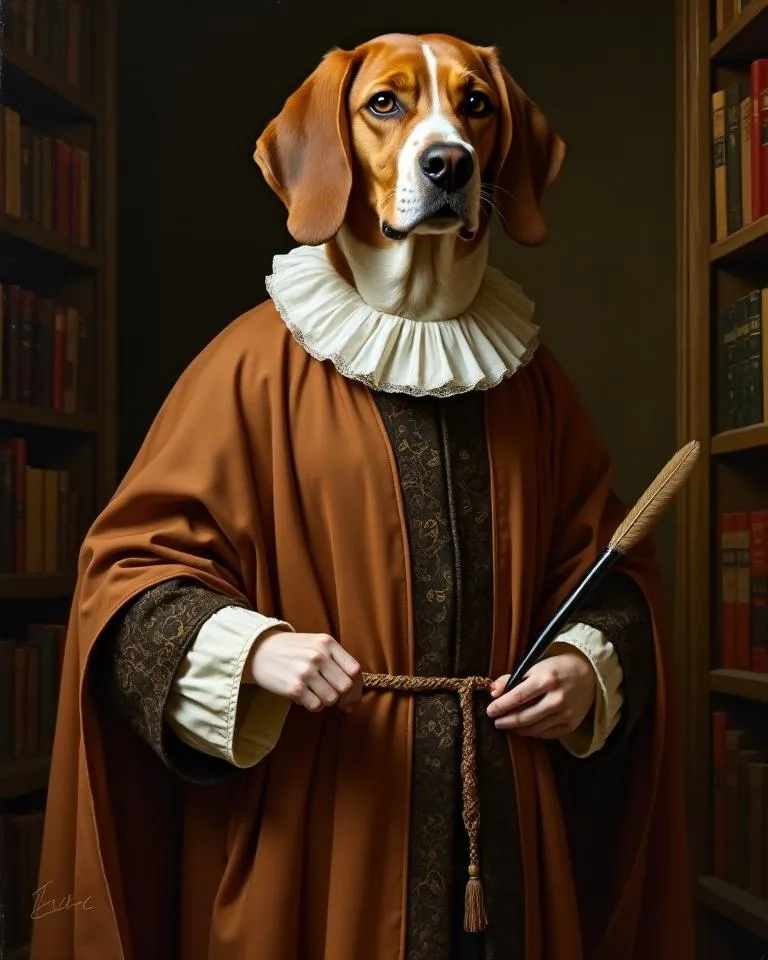
The four families of memorial jewelry
| Type | What it is | Suits |
|---|---|---|
| Engraved | A name, dates, or a short line cut into metal | Understated, everyday wear |
| Print-based | Their actual paw or nose print reproduced in metal | The most personal mark there is |
| Photo | An engraved image, or a locket that holds one | Keeping the face close |
| Keepsake | A sealed compartment holding fur or a small portion of ashes | Private, tactile remembrance |
None of these is more valid than another. The engraved pendant worn daily for a decade does more work than the elaborate piece that stays in a drawer because it is too precious to risk.
What to check before you order
Four things separate a keepsake from a disappointment.
- Proof before production. A maker who shows you the engraving layout or print rendering before cutting metal is a maker who expects to be held to it. Ask for it; a good one offers without being asked.
- Material honesty. Solid sterling silver or gold, or plating described plainly as plating. Vague words like “silver-tone” or “premium alloy” usually mean plated base metal, which will wear through at the edges with daily use. Sterling is conventionally marked 925, meaning 92.5% pure silver; the FTC's consumer guidance on buying platinum, gold and silver jewelry is worth a glance if a description feels evasive.
- Legibility at real size. A long name plus two dates on a small pendant becomes texture rather than text. Ask for the actual millimetre dimensions, then hold a ruler up to it. Shorter lines wear better and read better.
- An unhurried policy. Grief orders deserve revision windows and gentle returns, not countdown timers and non-refundable personalisation clauses. Read that section before you pay.
These are the same principles — preview first, honest materials, no rush — that we hold ourselves to for memorial portraits, which is why we notice when other makers honour them.
If the print was never taken
Families often grieve a second, smaller loss: the paw print they never made. Two gentle alternatives. Many veterinary practices keep ink or clay prints on file, particularly if the loss was recent — it costs nothing to ask, and they are entirely used to the question. Failing that, an engraved silhouette traced from a clear photograph carries much of the same intimacy, and the photo you would choose for a portrait usually yields the silhouette too.
A note on ashes and fur
Keepsake pieces that hold a small portion of ashes or a lock of fur are meaningful, and they are also the pieces where craftsmanship matters most, because the contents are irreplaceable. Look for a threaded, sealed compartment rather than a glued one, ask who fills it (you, or the maker), and if you fill it yourself, do it over a tray rather than a sink. Have the clasp and seal checked periodically, the way you would with any piece worn daily.
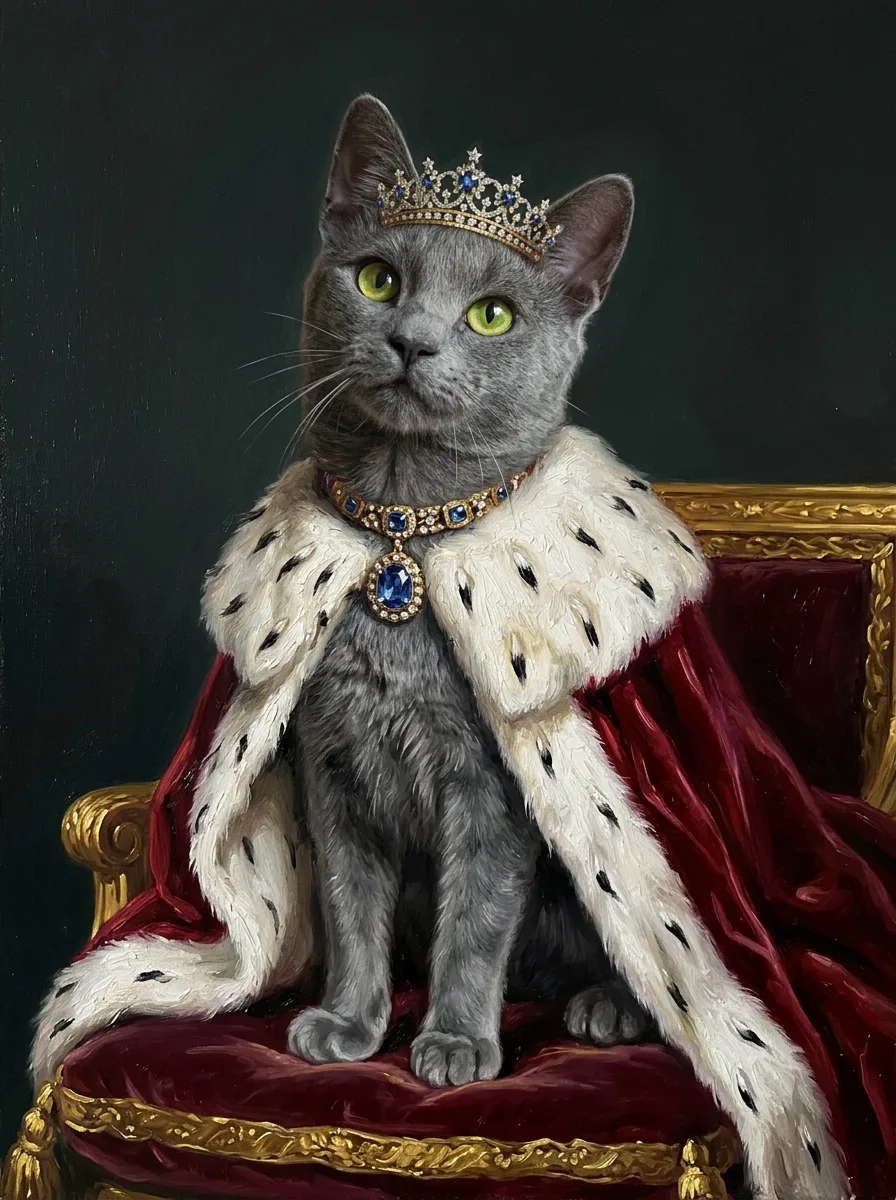
Carried and hung: how jewelry pairs with a portrait
They serve different moments. Jewelry is private — remembrance that travels with one person through ordinary days, through the supermarket and the commute, mostly unnoticed by anyone else. A portrait is shared — their face restored to the room where the family gathers, where visitors ask about them and the story gets told again.
In practice many families choose both: the pendant for whoever carries the loss most heavily, the portrait for the household. Our guides to dog memorial gifts and cat memorial gifts place both among the alternatives, and pet memorial ideas covers remembrance that isn’t an object at all — rituals, plantings, and donations.
Caring for a piece you intend to keep
- Remove it before swimming, showering and cleaning. Chlorine and household chemicals dull silver and can loosen sealed compartments.
- Store it dry, out of direct sunlight, ideally in a soft pouch rather than loose in a dish.
- Clean sterling with a proper polishing cloth rather than abrasive paste, which softens fine engraving over time.
- If it holds fur or ashes, have the seal and clasp checked periodically. The metal is replaceable; the contents are not.
Giving it to someone else
If you are buying for a grieving friend rather than yourself, keep two things in mind. Sizing and daily-wear preferences are personal, so an adjustable chain or a piece that can be worn on an existing chain is safer than guessing. And the note alongside matters more than the object — name the animal, share one specific memory, and don’t nudge anyone toward “moving on.” Our guide to what to say when someone loses a pet has ready wording, and how to cope with losing a pet is a kind resource to pass along quietly.
If the grief is heavy, several veterinary schools run free pet-loss support lines staffed by trained volunteers — listed below, and worth knowing about.
Sources and pet-loss support
- US Federal Trade Commission — buying platinum, gold and silver jewelry
- Cornell University College of Veterinary Medicine — Pet Loss Resources and Support
- Tufts Cummings School — Pet Loss Support Helpline
- The Ohio State University Veterinary Medical Center — Pet Loss Support
- University of Florida College of Veterinary Medicine — Pet Loss Support
- Auburn University College of Veterinary Medicine — Pet Loss Grief Resources
Frequently asked questions
What types of pet memorial jewelry are there?
Four families. Engraved pieces carry a name, dates, or a short line. Print-based pieces reproduce their actual paw or nose print in metal. Photo pieces engrave an image or hold one in a locket. Keepsake pieces hold something physical, such as a small lock of fur or a pinch of ashes in a sealed compartment.
What should I check before ordering memorial jewelry?
Four things: that the maker sends a proof of the engraving or print before production, that materials are described plainly (solid sterling or gold, or plating named as plating), that your text is short enough to stay legible at the actual pendant size, and that the returns or revision policy is unhurried rather than a countdown timer.
Can I get memorial jewelry if I never took a paw print?
Often yes. Many veterinary practices keep ink or clay prints on file, especially if the loss was recent, and it costs nothing to ask. Failing that, an engraved silhouette traced from a clear photograph carries much of the same intimacy, as does a simple engraved name.
Is memorial jewelry or a memorial portrait better?
They answer different needs rather than competing. Jewelry is private and travels with one person through ordinary days. A portrait is shared and returns their face to the room where the family gathers. Many families choose both — the pendant for whoever carries the loss most heavily, the portrait for the household.
How do I care for pet memorial jewelry?
Remove it before swimming, showering, and cleaning, since chlorine and household chemicals dull silver and can loosen sealed compartments. Store it dry and away from direct sunlight. Have any keepsake compartment or clasp checked periodically if it holds fur or ashes, because those are irreplaceable.
Written by the Fur d’Amore studio — museum-grade portraits of the pets we love, created from a favorite photo. If it would bring comfort, you can read about memorial portraits or browse pet memorial ideas.