Pet Memorial Ideas: 20 Gentle Ways to Remember (2026)
A good memorial does not close the door on grief; it gives love somewhere to go. The twenty ideas below are grouped the way remembrance actually works — a place to visit, an object to keep, a ritual to return to, and a continuation of the love — so you can choose what fits your household rather than what fits a list. Take one, take four, or take none of them yet. There is no deadline on any of this.
How to choose a memorial that actually helps
There is no correct memorial, but there is a pattern in the ones people keep. They tend to be specific — their name, their spot, their story, not a generic sentiment. They ask nothing of you on a schedule. And they can be revisited rather than completed, because grief is not a project with a finish line.
It also helps to know which kind of remembering suits you. Some people need somewhere to go. Others need something to hold. Others need to do something useful with the feeling. The four groups below map onto those instincts.
| Type | What it gives you | Suits |
|---|---|---|
| A place | Somewhere to go and tend | Those who find comfort outdoors, and households with children |
| An object | Something to see or hold daily | Those who want them present in the room, not put away |
| A ritual | A time set aside, repeating | Those who feel the loss most on anniversaries |
| A continuation | Somewhere for the love to go | Those who need the grief to do something useful |
A place to visit
- A garden stone with their name, set where they liked to lie in the sun.
- A memorial tree, rosebush, or native shrub — something that marks time's slow arc rather than freezing it. Choose a plant suited to your area, and check it is non-toxic if other animals visit the garden; the ASPCA's toxic and non-toxic plant database is the reliable reference.
- A bench plaque on their favorite walk, where the town or park permits it.
- A quiet corner of a bookshelf — collar, tag, one photograph, nothing else. A small, deliberate place is still a place.
An object to keep
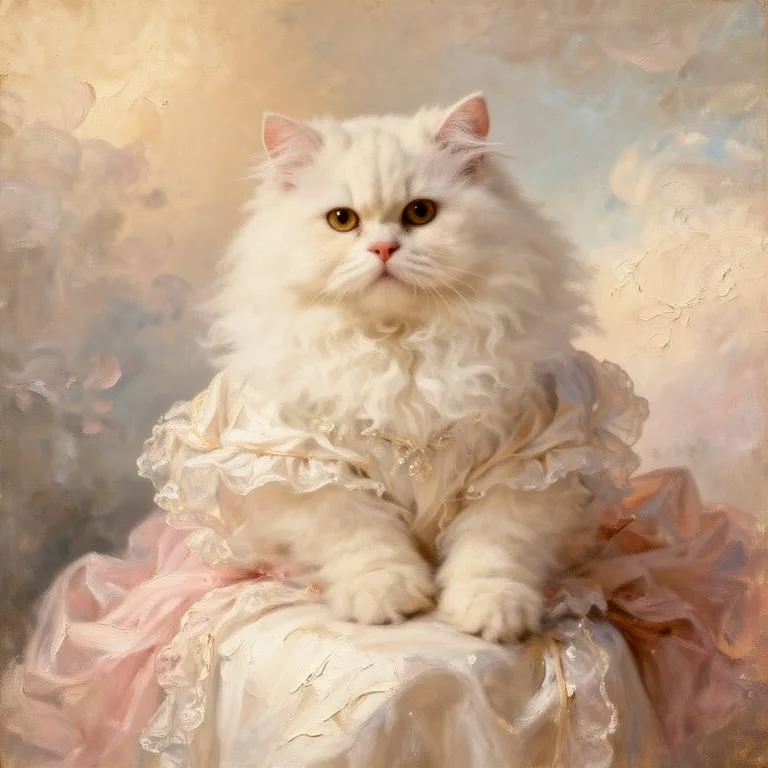
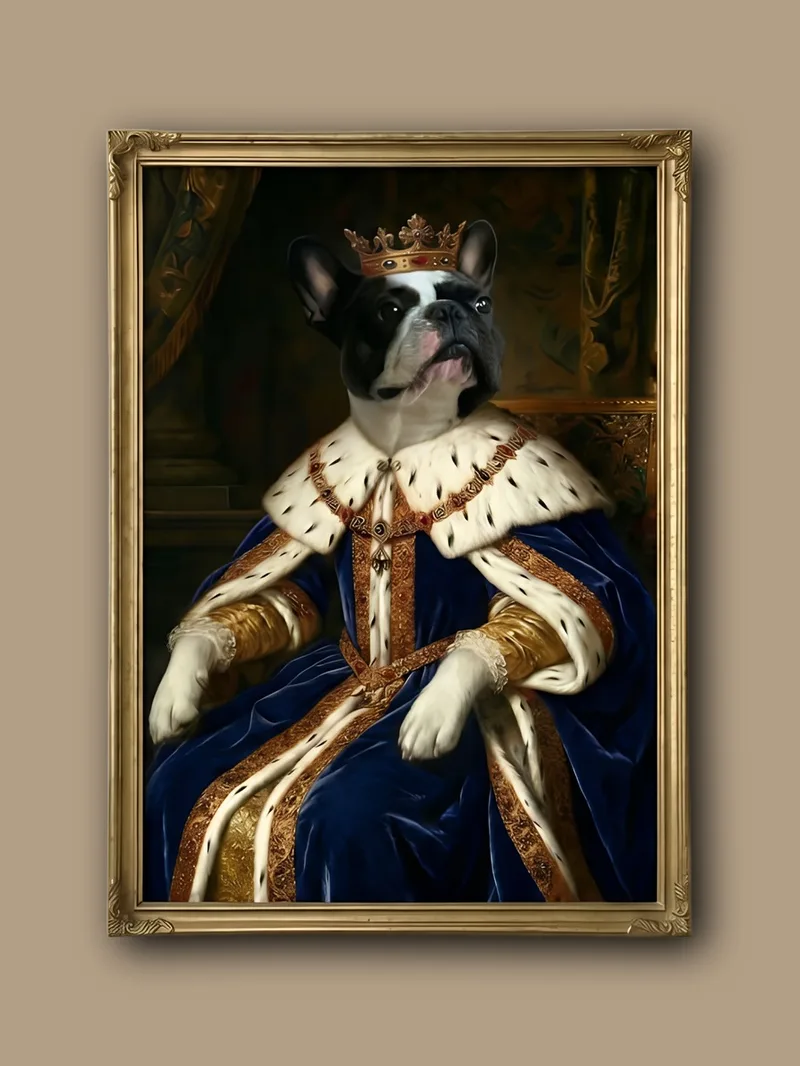
- A dignified portrait from a favorite photo — the classic memorial object, made to keep them present at eye level rather than buried in a camera roll. Ours are previewed at no cost, in your own time: memorial portraits.
- A paw-print or nose-print cast. If the print was never taken, see the note further down — there are still options.
- An engraved pendant or bracelet. Our guide to pet memorial jewelry covers the four types and what to check before ordering.
- A photo book of their whole story, not just the last year.
- A keepsake box for the things you cannot yet put away — the lead, the favorite toy, the vet cards.
- A cushion or small quilt sewn from their blanket, which keeps the texture and the smell of them a while longer.
A ritual to return to
- A candle lit on their birthday or on the anniversary of the day they left.
- Their favorite walk, taken on the same morning each year.
- A few words at dinner on “gotcha day” — the day they arrived, which is often the easier anniversary to mark.
- An ornament that comes out every December, so they have a place in the year's rituals.
- A goodbye letter, written when you are ready, and reread when you need it. Many grief counsellors suggest this specifically because it gives the unsaid somewhere to land.
A continuation of the love
- A donation in their name to the shelter or rescue they came from.
- Volunteering an hour where they were once the one waiting. The ASPCA and The Humane Society of the United States both list local ways in.
- Sponsoring a kennel, a bag of food, a vaccination — small and concrete beats vague and large.
- Fostering, someday, when the house stops feeling wrong. Not a replacement; a continuation.
- Telling their stories — out loud, often, using their name. This is the memorial that costs nothing and lasts longest.
If the print or the photo was never taken
Families often grieve a second, smaller loss: the paw print they never made, or the good photograph they meant to take. Two gentle notes. First, if the loss was recent, many veterinary practices keep ink or clay prints on file — it costs nothing to ask, and they are used to the question. Second, a portrait needs far less than people assume: one clear photograph of the face, even an old or slightly imperfect one, is usually enough, because the likeness is built from the eyes and expression rather than the pose.
Helping a child remember
Children do better with participation than with protection. Let them choose the photograph for the portrait, paint the garden stone, plant the bulbs, or write the letter. Expect grief to arrive in short bursts between ordinary play — that is normal at most ages and is not a sign of indifference. Naming what happened plainly, without euphemisms like “put to sleep,” tends to confuse children less, a point most veterinary grief resources make explicitly.

Gentle notes on timing
If the loss is fresh, our guide to coping with the loss of a pet treats it as real grief, because it is. If you are choosing on someone else's behalf, pet memorial gifts, dog memorial gifts, and cat memorial gifts are organized for givers rather than for the bereaved, and what to say when someone loses a pet helps with the card that goes alongside.
And if the grief is heavy enough that ordinary days are hard, several veterinary schools run free, compassionate pet-loss support lines staffed by trained volunteers. They exist precisely because this loss is routinely underestimated. They are listed below.
Sources and pet-loss support
- Cornell University College of Veterinary Medicine — Pet Loss Resources and Support
- Tufts Cummings School — Pet Loss Support Helpline
- The Ohio State University Veterinary Medical Center — Pet Loss Support
- University of Florida College of Veterinary Medicine — Pet Loss Support
- Auburn University College of Veterinary Medicine — Pet Loss Grief Resources
- ASPCA — toxic and non-toxic plants (for memorial planting)
- The Humane Society of the United States
Frequently asked questions
What are meaningful ways to memorialize a pet?
The ideas that help most fall into four families: a place (a garden stone, a planted tree), an object (a portrait, an engraved keepsake, a paw print), a ritual (a candle on their birthday, an annual walk), and a continuation (a donation or volunteering in their name). Most families end up with one from two or three of those groups.
When should I create a pet memorial?
Whenever it feels right. Some families need a ritual in the first week; others wait a year until they can look at photographs again. Grief keeps its own calendar, and both timings are normal. Nothing here expires.
How can children take part in remembering a pet?
Through participation. Letting a child choose the photo for a portrait, decorate a garden stone, plant the bulbs, or write a goodbye letter gives the loss a shape they can hold. Children often grieve in short bursts between ordinary play, which is normal and not a lack of feeling.
What can I do if I have very few photos of my pet?
One clear photograph is enough for most keepsakes, including a portrait. If even that is imperfect — old, slightly blurred, someone's knee in the corner — it can usually still be used, because the likeness is built from the face. Written memories, their collar, or a paw print carry remembrance just as well.
Is it normal to grieve a pet as intensely as a person?
Yes. Veterinary schools run dedicated pet-loss support lines precisely because this grief is real and often underestimated by people around us. The bond was daily, physical, and unconditional, and its absence is felt the same way.
Written by the Fur d’Amore studio — museum-grade portraits of the pets we love, created from a favorite photo. If it would bring comfort, you can read about memorial portraits or browse our guide to pet memorial gifts.