New Puppy Gifts: 21 Ideas for the First Year
The best new puppy gifts solve the first year rather than decorate it. New owners are drowning in soft toys and short on sleep, cleaner and floor space. What they actually need is a chew that survives teething, something to make dinner take longer than eight seconds, and an hour of help. Then — once the household has stopped spinning — one keepsake that fixes how small the puppy was, because that stops being true remarkably quickly. Below are 21 ideas in both registers, plus the two categories worth avoiding.
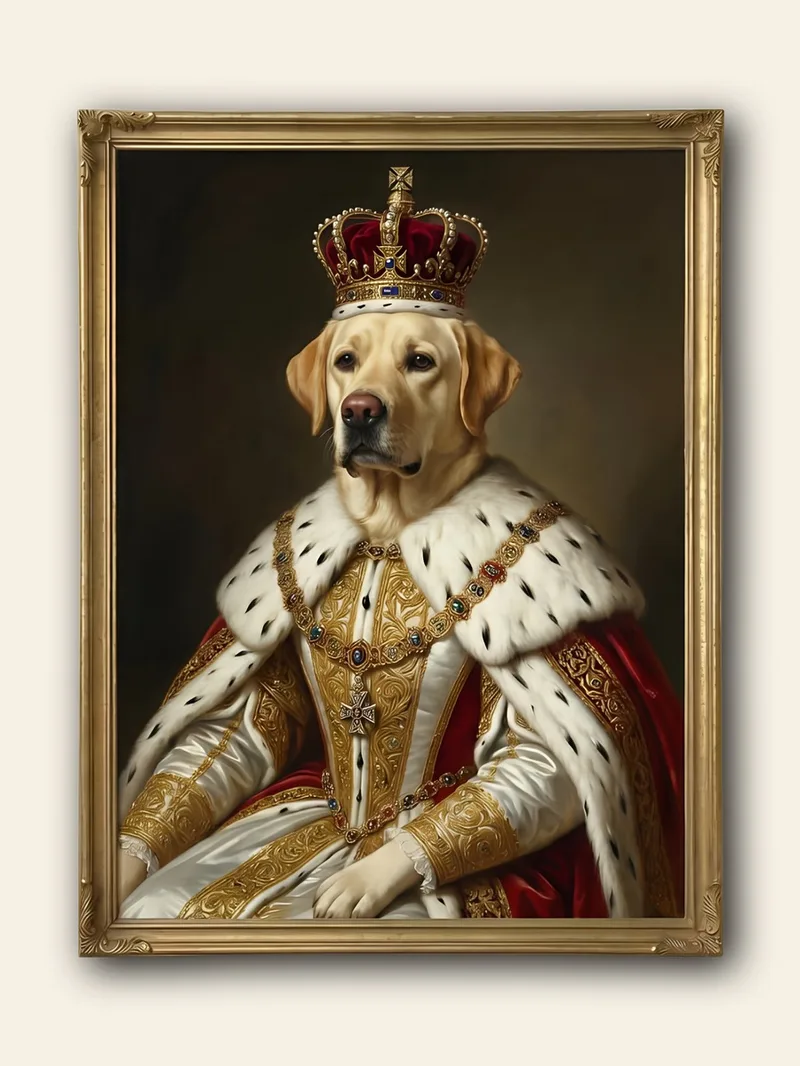
The 21 best new puppy gifts, at a glance
- A portrait commissioned from an early photo — the keepsake
- A teething-safe rubber chew
- An enzymatic cleaner for the inevitable accidents
- A snuffle mat for calm, nose-led feeding
- A paw-print impression kit taken while paws are small
- A session with a reputable puppy trainer
- An adjustable harness that grows with the puppy
- A crate cover for a calmer sleeping space
- A licking mat for settling and grooming practice
- A slow feeder bowl
- An engraved ID tag with the owner's number
- A soft brush to start handling early
- A washable bed cover, or two
- A puppy-safe car restraint or booster
- A first-year photo book, left blank to fill
- A gotcha-day framed print
- A nail grinder to make trims uneventful
- A voucher for a first professional groom
- A long-line for early recall training
- An offer of puppy-sitting, written on a card
- A donation to the shelter the puppy came from
What do new puppy owners actually need?
Sleep, mostly, and you cannot wrap that. What you can do is remove friction from the three activities that fill the first two months: cleaning up, occupying the puppy, and teaching it to be handled.
An enzymatic cleaner is the least romantic gift on this list and probably the most used. Ordinary detergents leave scent markers that invite a repeat performance; enzymatic formulas break the residue down properly. A snuffle mat or licking mat converts a thirty-second meal into fifteen minutes of nose work, which tires a puppy more effectively than a walk and does not risk over-exercising growing joints. A soft brush and a nail grinder matter more than they look: a puppy taught early that being handled is unremarkable becomes a dog who tolerates the vet, and one that is not becomes a lifelong wrestling match.
The American Kennel Club’s puppy resources are organised by developmental stage and are the sensible starting point for anyone buying in this category; the ASPCA’s dog care guidance covers the same ground on socialisation and handling.
What should you not buy for a new puppy?
Two categories, and both are bought with good intentions.
Food and treats, unless you have asked. Puppies usually arrive on whatever the breeder or shelter was feeding, and the transition is deliberately gradual. A surprise bag of something new can cause a stomach upset at precisely the moment the household is already sleep-deprived. Some puppies also arrive with identified allergies. Ask first; it is a thirty-second message.
Hard chews and rawhide. Very hard items can damage developing teeth, and rawhide carries choking and blockage risks that many owners specifically avoid. If in doubt, buy the rubber chew designed for teething rather than anything advertised as indestructible.
Worth adding to the card rather than the basket: a note that Pet Poison Helpline and the ASPCA’s toxic plant database are worth saving to a phone before the puppy starts eating houseplants, which it will. Humane World for Animals covers puppy-proofing a home more broadly.
| Budget | Best picks | Best given |
|---|---|---|
| Under $25 | Enzymatic cleaner, licking mat, ID tag, soft brush, long-line | Before arrival or in week one |
| $25–$75 | Snuffle mat, adjustable harness, slow feeder, crate cover, paw-print kit | First month |
| $75–$150 | Puppy training course, car restraint, first-year photo book, grooming voucher | First three months |
| $150+ | A commissioned portrait from an early photo | Once there are good photos — no deadline |
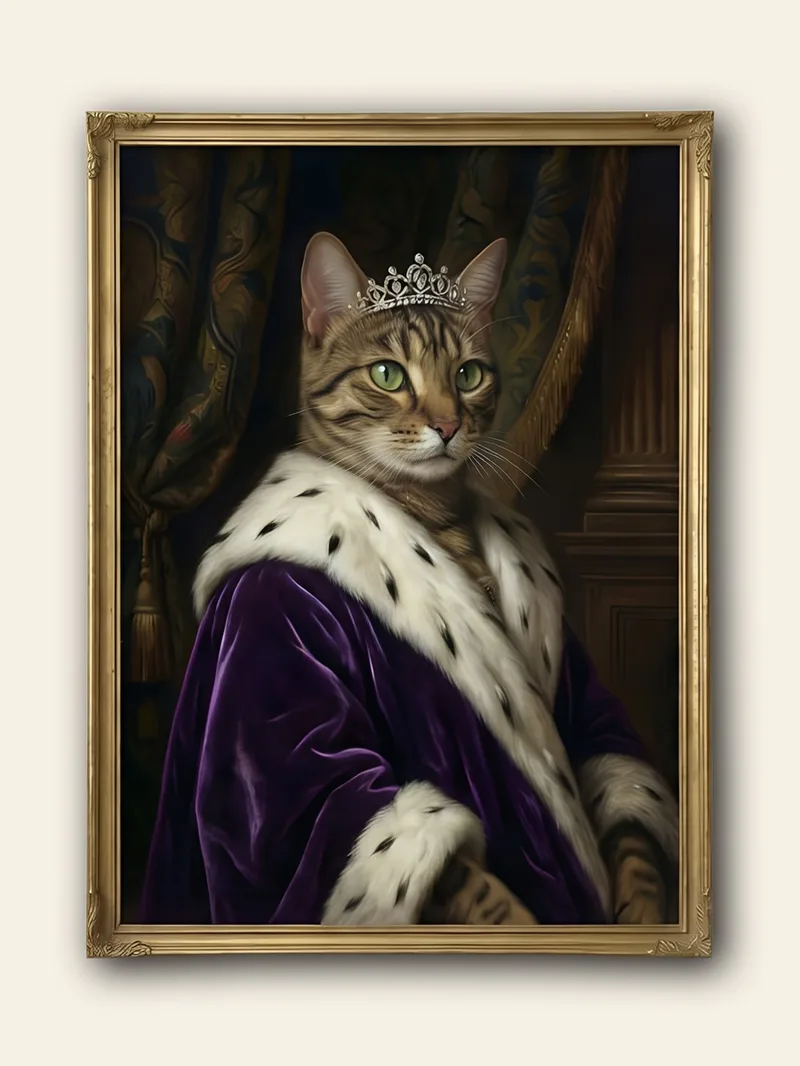
What is the best sentimental gift for a first puppy?
Anything that fixes the size. This is the single thing every dog owner says afterwards: they knew the puppy would grow, and they still did not expect to lose that version of the animal within a few months.
A paw-print impression kit does this literally and costs very little. A gotcha-day print — the first photograph, framed with the date — turns a phone snap into something on a shelf. And a commissioned portrait does it at the other end of the scale: an early photograph rendered as an Old Master painting, which is a deliberately absurd thing to do to a nine-week-old spaniel and works precisely because of it. Fur d’Amore builds the artwork with AI from a photo the owner already has, then prints it on archival canvas and frames it — the artistry is generated, the craftsmanship is in the printing and the framing.
Six styles are available: Royal, Aristocrat, Renaissance, Baroque, Military and Romantic. For a puppy, the joke lands hardest in the most self-important registers. If you are new to the format, our guide to Renaissance pet portraits explains how it works, dog portrait from a photo walks through the process, and pet portrait ideas covers poses and themes if you want to steer the composition.
Which photo should you use?
If you are commissioning as a surprise, the photograph does more work than anything else. Three rules cover it:
- Daylight, indirect. A window on a grey day beats a flash every time.
- Get down to their eye level. Photos taken from standing height foreshorten the face and lose the expression.
- Sharp eyes. A slightly blurred body is survivable; blurred eyes are not.
A JPG or PNG under 10MB is enough, and there is a free preview before anything is paid for, so a marginal photo can be tested rather than guessed at. Puppies are the hardest subjects to photograph because they do not hold still — burst mode, and pick the frame where the ears are up.
What makes a printed keepsake last?
Materials. A file on a phone gets lost in a device migration; a print on the wall does not. The standard worth knowing is giclée — pigment inks on heavy archival stock, which holds colour for decades rather than shifting inside a couple of years. The frame decides whether the result reads as a keepsake or a novelty.
For a sense of the tradition being borrowed, the young dogs in European portraiture at the National Gallery, the Metropolitan Museum of Art and the National Gallery of Art are the reference points — painted with the same seriousness as the aristocrats holding them.
How to choose, in three questions
- Has the puppy arrived yet? Before → practical kit. After → something that marks the beginning.
- Do you know what it is being fed? If not, buy anything except food.
- Is this a first dog? First-time owners benefit far more from a training course than from another toy.
If you are ordering online from an unfamiliar seller, the FTC’s consumer advice is a quick check on delivery promises before you commit. And for a wider set of custom options once the puppy has grown into its ears, see personalized dog gifts and gifts for dog lovers.
Sources and further reading
Frequently asked questions
What do you buy someone with a new puppy?
Buy the things that solve a problem in the first eight weeks: an enzymatic cleaner, a chew that survives teething, a snuffle mat, or a session with a good trainer. New owners are usually well supplied with toys and short on sleep, so practical gifts land harder than decorative ones. Pair one practical item with one keepsake and you have covered both registers.
What should go in a new puppy gift basket?
A teething-safe chew, a snuffle or licking mat, an enzymatic cleaner, a soft brush to start handling early, a slow feeder, and a card with the offer of a real favour — an hour of puppy-sitting is worth more than anything you can wrap. Leave food and treats out unless you know what the breeder or shelter has been feeding.
Is it OK to buy toys and treats for someone else's puppy?
Toys yes, with care about size and durability; treats only if you ask first. Puppies are often kept on a specific diet during the transition from the breeder or shelter, and new foods can cause stomach upset at exactly the wrong moment. Rawhide and very hard chews are also worth avoiding without checking with the owner.
What is a good sentimental gift for a first puppy?
Something that marks the beginning. A commissioned portrait from an early photo, a paw-print impression kit taken while the paws are still small, or a framed "gotcha day" print all fix a moment that disappears faster than anyone expects. Puppies change shape within months, which is precisely why these gifts age so well.
When is the right time to give a new puppy gift?
Practical gifts before the puppy arrives, or in the first week. Sentimental gifts a little later, once the household has settled and there are photographs worth using. Anything commissioned from a photo naturally sits in the second group, and there is no hurry — the early pictures do not expire.
Written by the Fur d’Amore studio — we reimagine beloved pets as Renaissance masterpieces on museum-grade canvas. See the portraits, or shopping for the season? Here are dog Christmas gifts.