Renaissance Pet Portraits: What They Are & How They're Made
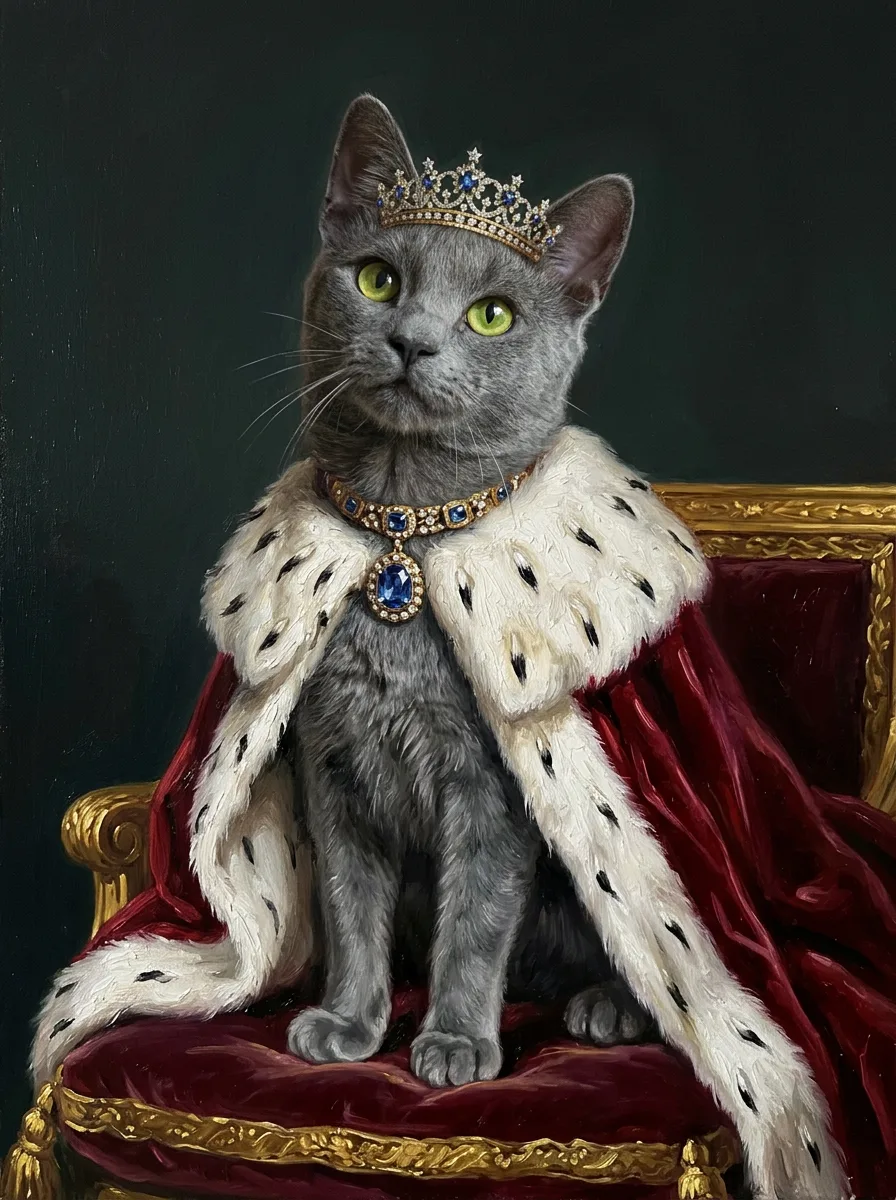
A Renaissance pet portrait reimagines your pet as the subject of a classical Old Master painting — your terrier as a Dutch admiral, your tabby as a Venetian noblewoman — rendered in the dramatic light and rich texture of artists like Rembrandt, Titian, and Holbein. The result is equal parts witty and reverent: a pet treated with the dignity once reserved for kings. Here's exactly what they are, how a single photo becomes one, and how to choose a version worth hanging.
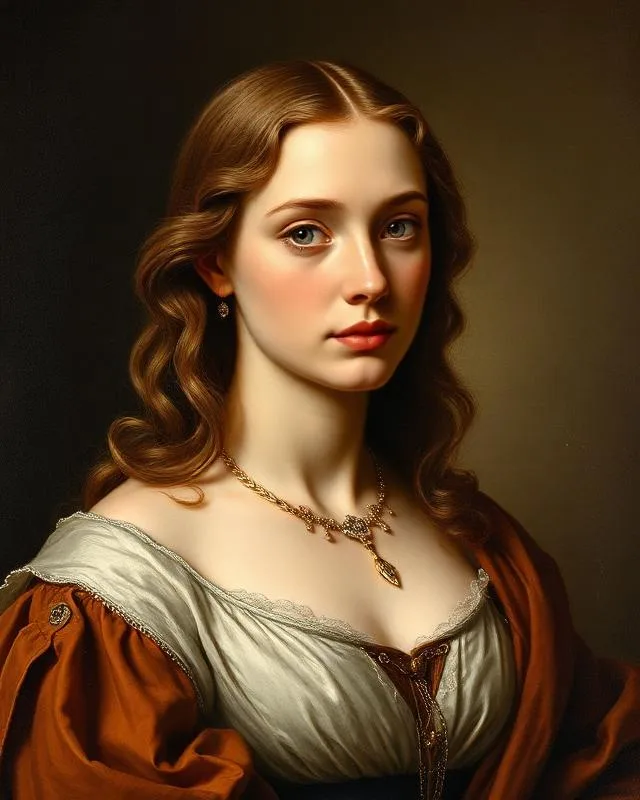
What is a Renaissance pet portrait?
It's a custom artwork that places your pet into a classical composition inspired by European master painters of roughly the 15th–17th centuries. The humor comes from the contrast — a beloved, slightly ridiculous animal in noble dress. The emotion comes from the elevation — the sense that this companion truly is worthy of a gallery wall. Common treatments include the admiral, the noblewoman, the knight, the scholar, the monarch, and the saint, each with its own costume, posture, and backdrop.
You'll also see these called royal pet portraits or regal pet portraits — the same idea, emphasizing the aristocratic styling.
The Old Masters behind the look
A convincing Renaissance portrait borrows specific techniques from specific painters:
- Rembrandt — dramatic chiaroscuro, where a warm light emerges from deep shadow.
- Titian — sumptuous color and the luminous reds of the Venetian school.
- Holbein — crisp, dignified realism and exquisitely rendered fabric and detail.
- Vermeer — soft, directional window light and quiet composure.
- Van Eyck — jewel-like precision and symbolic, richly furnished settings.
The goal isn't a costume slapped onto a photo. It's translating your pet's actual character into the visual language these painters perfected.
| Style | Mood | Made for |
|---|---|---|
| Renaissance | Scholarly, dignified | The wise old soul; gentle seniors |
| Royal | Commanding, ornate | The pet that runs the household |
| Baroque | Dramatic, moody | Big personalities and expressive faces |
| Military | Proud, decorated | The loyal guardian with a serious stare |
| Romantic | Soft, tender | Gentle companions and memorial portraits |
| Aristocrat | Polished, elegant | The impeccably groomed and faintly smug |
How a photo becomes a portrait
- You choose a photo. A clear, well-lit image where your pet's face and eyes are visible works best (more on this below).
- You choose a style. Admiral, noblewoman, knight, scholar — whichever suits their personality.
- The composition is built. Pose, costume, lighting, and background are matched to the chosen Old Master style.
- You refine the piece. A free preview lets you check likeness and detail before you pay, so the finished portrait genuinely resembles your pet — the tilt of the head, the expression you know.
- It's printed and finished. The artwork is produced on archival canvas using the giclée method and, if you choose, set in a heritage frame.
Why a museum-grade portrait beats a free AI image
You can find free apps that generate a "renaissance pet" picture in seconds. They're fun — and they're a fleeting digital image, often soft, oddly proportioned, and not quite your pet. A finished Fur d'Amore portrait is a different category:
- A free preview lets you confirm it actually looks like your pet, not a generic animal, before you pay.
- Museum-grade printing — the giclée standard used for fine-art reproductions — on cotton-blend canvas woven to echo 16th-century linen.
- Heritage framing hand-selected to match the textures of European galleries.
- A physical heirloom with real heft on the wall, not a file that disappears into a camera roll.
Put simply: an app gives you a screenshot; a portrait gives you an artwork.
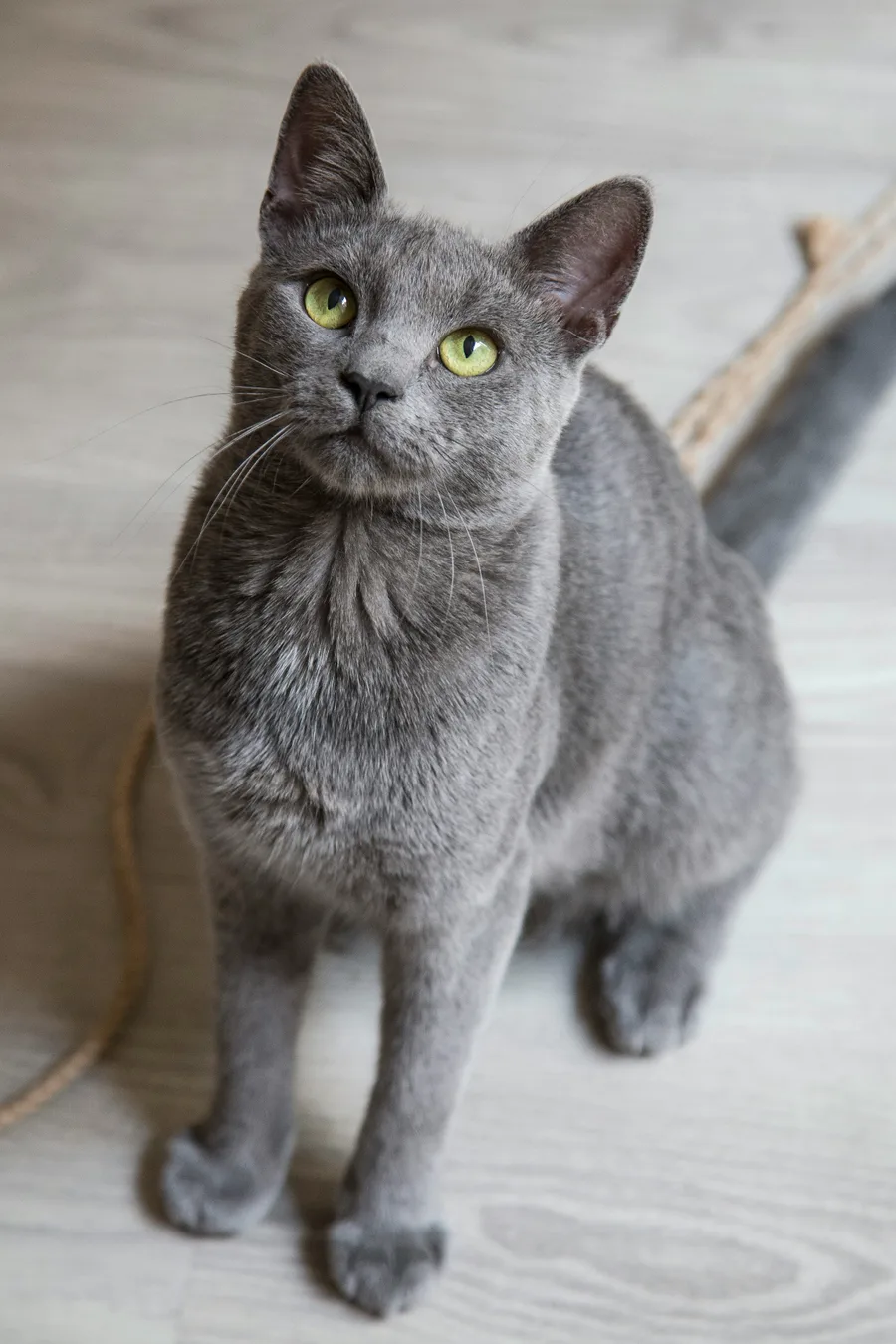
Choosing the best photo
- Good light, ideally natural. Avoid harsh flash and heavy shadow on the face.
- Eye level. Shoot at your pet's height for a dignified, portrait-like angle.
- Sharp focus on the face. The eyes carry the whole piece.
- Higher resolution is better. A clear modern phone photo is plenty.
Sizes and framing
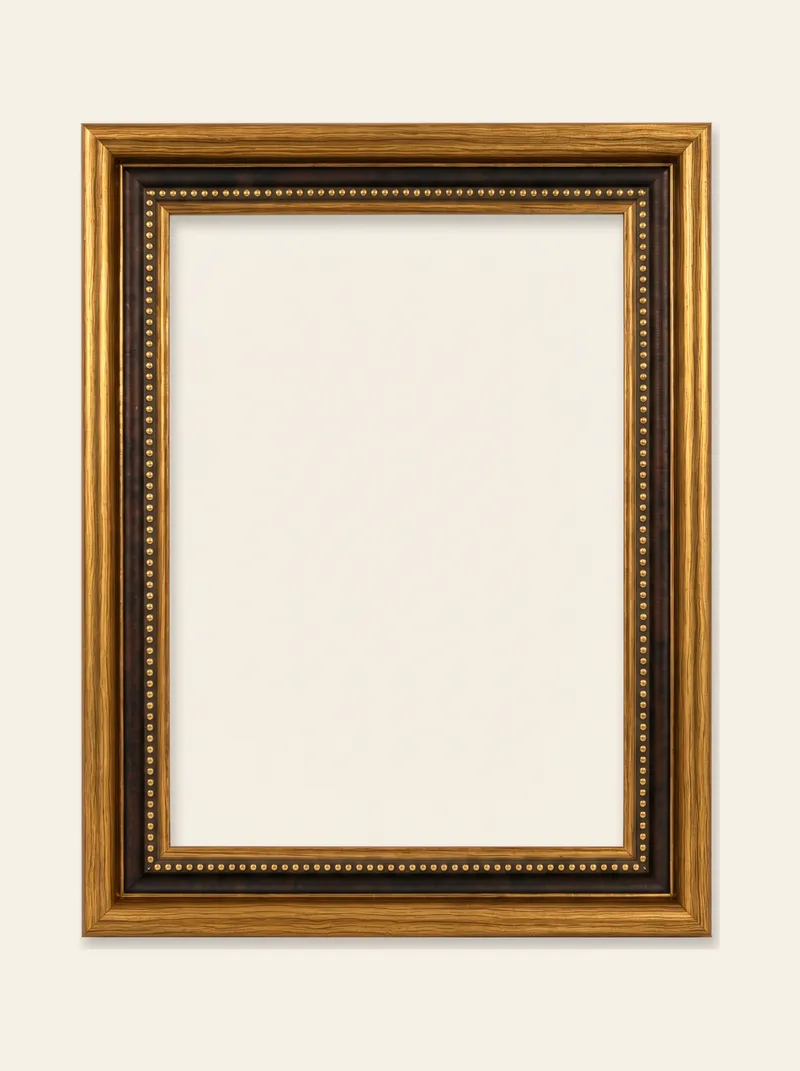
Renaissance portraits suit a range of spaces — from a desk keepsake to a statement piece above the mantel. Sizes typically run from a small 5×7 up to an 18×24 gallery canvas, available unframed or set in a heritage frame in finishes such as gold or walnut. For a full walkthrough of canvas vs framed, sizing, and cost, see our buyer's guide to custom pet portraits.
Who they're for
They make a memorable gift for a devoted pet person, a striking piece of home décor, and — handled gently — a meaningful memorial tribute. Shopping for an occasion? See gifts for dog lovers and gifts for cat lovers.
Sources and further reading
Frequently asked questions
What is a Renaissance pet portrait?
A custom artwork that reimagines your pet as the subject of a classical Old Master painting — in noble dress, with the lighting and texture of painters like Rembrandt and Titian. It's playful and dignified at once.
How is a Renaissance pet portrait made?
You provide a photo and choose a style; the composition (pose, costume, lighting, background) is built in a classical manner, the likeness is refined against your photo, and the finished piece is printed on archival canvas using the giclée method, optionally framed.
Is a custom portrait better than a free AI generator?
For a keepsake, yes. Free generators produce a quick digital image that often doesn't quite resemble your pet. A made-to-order portrait lets you preview and refine the likeness before you pay, and adds museum-grade printing, heritage framing, and a lasting physical artwork.
What photo works best?
A clear, well-lit photo taken at your pet's eye level, with the face and eyes in sharp focus. A good modern phone photo is more than enough.
Can I get a Renaissance portrait of a pet that has passed away?
Yes. Many families choose a portrait as a tribute. Any clear photo can be used, and there's no rush — a memorial portrait is just as meaningful in time.
Written by the Fur d'Amore studio — we reimagine beloved pets as Renaissance masterpieces, printed on museum-grade canvas in heritage frames. Explore the portraits or read the full buyer's guide.