Dog Portraits: Where the Photo Actually Gets Taken
The single biggest reason a dog photo works or does not has less to do with the dog and more to do with where in Australia it was taken. A beach, a midday backyard, the tray of a ute, a park at golden hour and a hot afternoon indoors each create their own specific lighting problem, and each has its own specific fix. Fur d'Amore turns whatever photo results into one of six styles, previewed free before any payment, in Australian dollars.
The Beach
Wet sand and moving water throw light upward as well as down, which is the opposite of the problem most photography advice assumes. A dog standing at the shoreline is lit from below by reflected glare as well as from above by open sky, and the result is often a squint rather than the alert, open-eyed look a strong portrait needs — particularly for a pale-coated dog already fighting the sun. Add a wet coat catching hard highlights and a dog that is about to shake mid-frame, and the beach is a genuinely harder location than it looks from the car park. General water-safety guidance for dogs — not every dog is a confident swimmer — is covered by resources like the ASPCA, American spelling and all, and applies just as much on an Australian beach.
The fix is angle, not avoidance. Shoot with the sun to the side rather than behind the camera, so the dog is not looking straight into it and the glare off the water is not hitting the lens directly either. The hour either side of low tide helps too, with more exposed, matte sand and less bright water in frame. Keep the shutter finger ready besides — a wet dog shakes without warning, and the shake itself is rarely the frame worth keeping.
The Backyard at Midday
Overhead midday sun is the classic Australian problem, and a suburban backyard offers nowhere to hide from it. Direct sun straight down cuts hard shadows under the brow and along the jaw, a pale or fawn coat blows out to featureless white, and a dark coat can lose all its detail into shadow in the very same frame — a phone camera rarely holds both extremes at once. Concrete paving and a Colorbond fence both bounce extra light back up from below, which somehow makes the contrast worse rather than better. A dog left in full sun for a photo is also a dog getting overheated for a photo, and general heat-safety advice from RSPCA Australia is worth following regardless of what is being photographed.
The fix here is shade, and most backyards have some worth using: under a verandah, beside a Hills Hoist, in the shadow the house itself throws in the early afternoon. Open shade gives soft, even light without the harsh overhead contrast, and it is a cooler, calmer, less panting dog to work with besides. Failing shade entirely, waiting an hour either side of midday does almost as much good as finding it.
The Back of the Ute
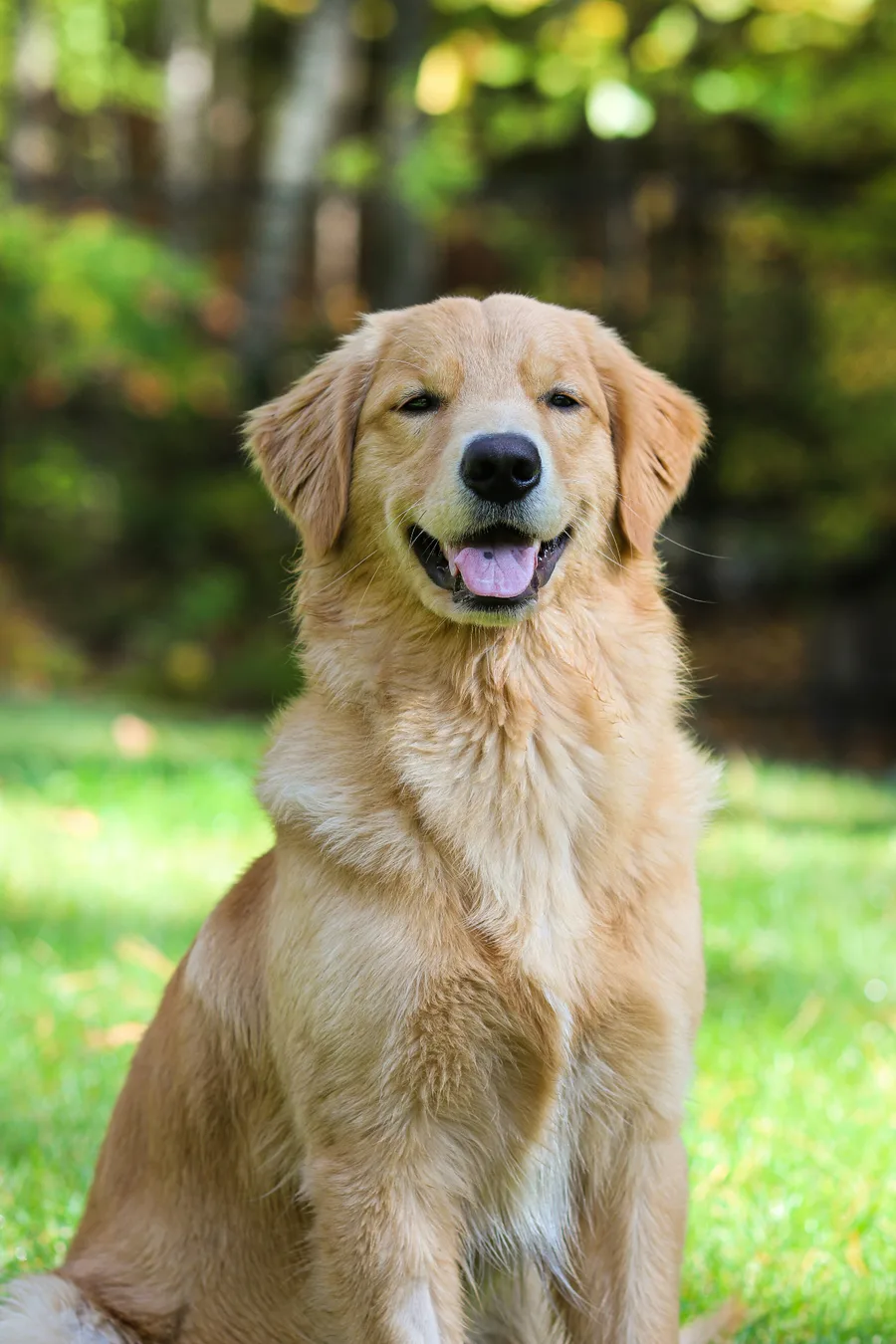
A dog riding in the tray is a genuinely Australian photo opportunity, and a genuinely unstable one — moving or not, it is rarely still, the metal tray throws its own hard reflected glare, and shooting from directly behind or below tends to silhouette the dog against open sky, losing the face entirely to shadow. A ute tray is also not a place to lean in for a better angle; safety comes well before the shot.
The better position is level with the tray or slightly above it — standing on the tow bar or a step, not the ground — so the dog is lit against the shed or the yard behind it rather than the sky. Shoot in a continuous burst rather than waiting for stillness, since a dog on a moving platform rarely holds a pose for more than a second. A tonneau cover or a spot parked in shade evens out the glare from the tray itself, and is worth the short walk to find before starting.
The Park at Golden Hour
This is the location that works in the dog's favour rather than against it, and the one problem worth having: low, warm, angled light late in the afternoon at the local oval or off-leash area, the kind that turns an ordinary coat golden at the edges — the kind of warm, directional light the National Gallery of Victoria spends a fortune trying to recreate indoors, freely available at six o'clock in a suburban park. The catch is exposure. Point the camera toward that low sun and most phones will either blow out the sky entirely or plunge the dog's face into shadow trying to compensate for the glow behind it.
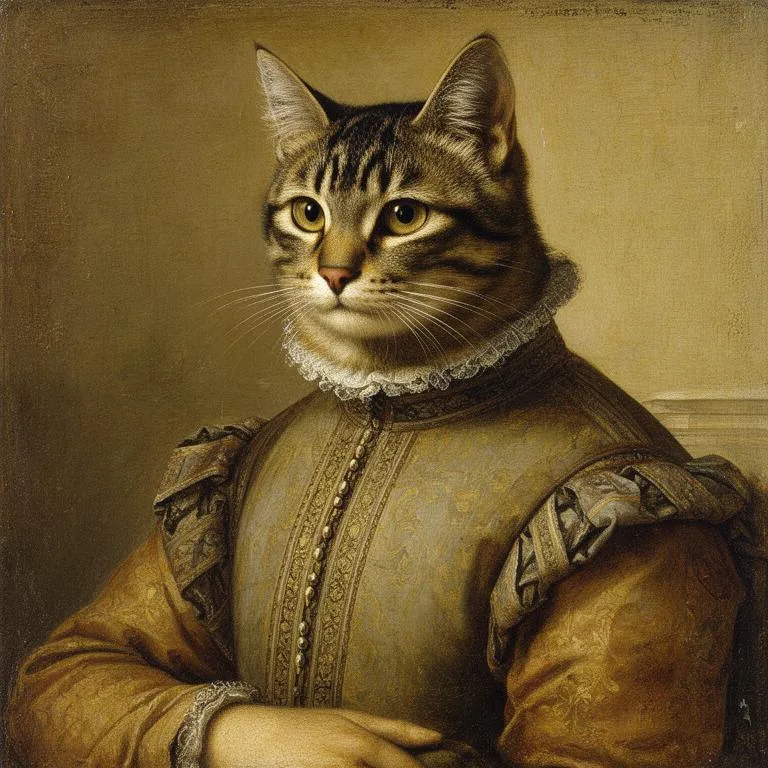
The fix is to meter for the face, not the light behind it — tap directly on the dog's face on a phone screen before shooting, which forces the exposure to prioritise what actually matters. Position the sun slightly to the side rather than directly behind the dog, and the same golden light that would otherwise blow out the background becomes a soft rim of warmth around the ears and shoulders instead, which is part of why Renaissance — a style borrowed directly from genuine Renaissance art — suits a golden-hour photo particularly well.
Indoors on a Hot Afternoon
On the genuinely hot days — the ones that push everyone, dog included, indoors and in front of the air conditioner — the lighting problem flips entirely. Downlights create small, hard shadows under the eyes and along the muzzle, ceiling fans flicker in and out of longer exposures, and mixing yellow indoor bulbs with daylight through a window produces a colour cast no filter fully fixes afterwards.
The fix is to let one light source win rather than fight both. Move the dog near a window with indirect daylight — not a direct beam, which creates its own harsh shadow — and turn off competing downlights nearby so the colour temperature stays consistent throughout the frame. Get down to the dog's own level on the floor rather than shooting from standing height, which mostly produces a photo of the top of a head. A cool tiled floor also happens to be exactly where a hot dog wants to lie down anyway, which solves the getting-it-to-stay-still problem for free.
Which Style Suits Which Australian Breed
Wherever the photo was taken, style is the last decision rather than the first. A portrait, in the strict sense, has always cared more about temperament than breed standard, the same way character has mattered more than pedigree at somewhere like the National Portrait Gallery in Canberra. The table below is a starting point, not a rule — a rescue of no fixed breed carries any of the six just as confidently as a Dogs Australia-registered pedigree.
| Breed | Suggested style | Why it works |
|---|---|---|
| Kelpie | Military | A working dog's watchful, always-on-duty bearing suits formal posture |
| Australian Cattle Dog | Baroque | A rugged, weathered face holds its own against heavy drama and gilt |
| Staffordshire Bull Terrier | Royal | A compact frame and total self-confidence, crown included |
| Cavoodle | Romantic | Soft curls and softer eyes suit the gentlest of the six styles |
| Border Collie | Renaissance | An expressive, high-contrast face suits the house style's warm light |
| Groodle | Aristocrat | A low-shedding, elegant coat carries tailored grandeur easily |
Two-dog households do not need to match styles between them either — a kelpie and a cavoodle from the same home can carry Military and Romantic respectively without looking mismatched, since each style is chosen for the individual dog rather than for consistency with a sibling.
Pricing and Delivery to Australia
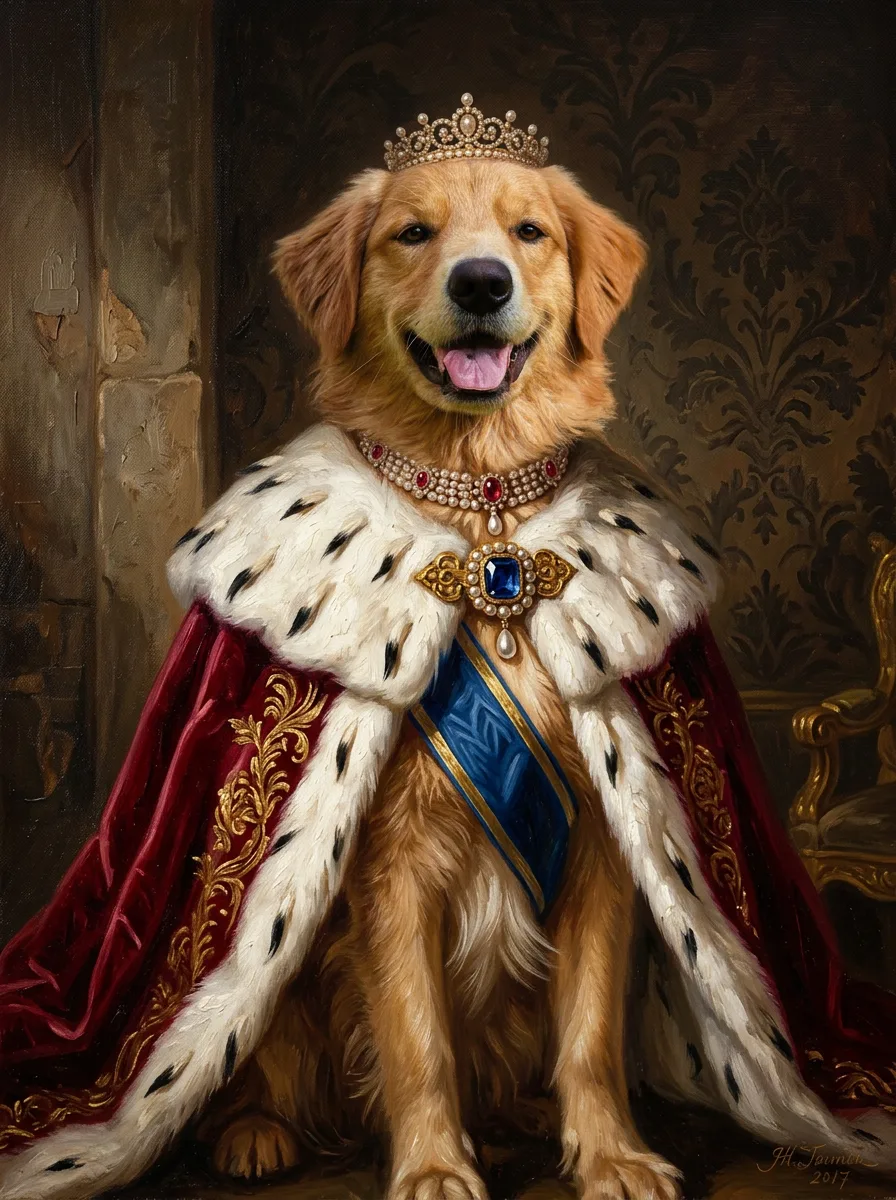
Whichever location supplied the photo, what happens next is the same for every dog: the image itself comes from an AI model working from that specific photo, not a stock template, which is exactly why a free preview of the actual result is possible before any payment changes hands. Fur d'Amore is rated 4.9/5 by 10,000+ customers. What follows approval is not automated — archival, giclée-grade canvas printing and heritage framing are physical processes, applied only once the preview is signed off.
Dog portraits sit on the same Australian price ladder as every other Fur d'Amore piece: a digital file starts at around $28, desk portraits and canvas fill the middle of the range, and a heirloom-framed canvas at the top tier reaches about $426, with the exact figure confirmed at checkout as prices move with exchange rates. Fur d'Amore ships to Australia. Digital downloads are available instantly; printed and framed portraits take 5–7 business days for production, and international delivery typically takes 7–14 business days, as stated in the questions section of the Fur d'Amore homepage.
For parcels arriving from overseas, the general Australian rule for smaller parcels applies: consignments with a customs value of A$1,000 or under generally are not charged duty, GST or clearance fees at the border, with GST on lower-value imports collected by the seller instead. Australia Post's guidance for overseas orders covers the current detail.
A dog portrait suits most of the Australian calendar regardless of where the photo was taken — Father's Day on the first Sunday in September, Christmas in the middle of summer, or a birthday. The wider category sits at pet portraits, a cat in the same house gets its own guide at cat portraits, and every style is laid out at the portraits collection. A dog nearing the end of its life is a gentler, separate subject at dog memorial gifts, and the complete Australian range sits at the Fur d'Amore Australia hub.
Sources and further reading
Frequently asked questions
Why does a dog photo look different at the beach compared to the backyard?
Each location creates its own lighting problem. A beach reflects light upward off sand and water, causing squinting and blown highlights, while a midday backyard creates hard overhead shadows under the brow and jaw. Both need a specific fix — side-on light near low tide at the beach, open shade in the backyard — rather than a better camera.
What is the easiest location in Australia to photograph a dog for a portrait?
A local park or off-leash area in the hour before sunset, often called golden hour, gives low, warm, angled light that flatters most coats without harsh shadows. The only trick is metering for the dog's face rather than the bright sky behind it, which most phones handle by tapping directly on the face.
How do I safely photograph a dog in the tray of a ute?
Shoot from a stable position level with or slightly above the tray, such as standing on the tow bar, rather than from the ground or leaning in. Shooting from below tends to silhouette the dog against the sky. Take photos in a continuous burst, since a dog on a moving tray rarely holds still for long.
Which Fur d'Amore style suits my dog's Australian breed?
Temperament matters more than breed, though breed is a reasonable starting point: Military suits a watchful kelpie, Baroque suits a rugged cattle dog, Royal suits a staffy's confidence, and Romantic suits a soft-eyed cavoodle. A rescue of no fixed breed carries any of the six equally well, and the free preview settles any doubt.
Does Fur d'Amore ship dog portraits across Australia, and what about import costs?
Yes, Fur d'Amore ships across Australia with every price shown in Australian dollars and shipping calculated at checkout. For parcels arriving from overseas, the general Australian rule for low-value imports can apply, with consignments of A$1,000 or under typically clearing without extra duty or GST at the border.