Pet Memorial Gifts: What to Send, What to Say
The safest pet memorial gifts in the UK are much the same whatever the animal was: a card that names the pet, a donation made in their memory, or — only once you know someone well — something more considered like a keepsake or a portrait. Cats, rabbits, guinea pigs and horses are grieved every bit as seriously as dogs, even though the world doesn't always extend them the same recognition. What matters most, across every species, is following the bereaved person's lead rather than guessing on their behalf.
This page is written mainly for choosing something for someone else — a friend, a relative, a colleague, your mum — who has lost a pet of any kind. Grieving a dog specifically, and in your own right, is covered in more depth on Fur d'Amore's dog memorial gifts page; this one is the broader guide, for a wider range of pets and a slightly different situation.
What to send
The honest answer is that almost anything sincere is safe, and almost nothing is actually required. A card sent through the post is always appropriate, whatever else is or isn't added to it. Beyond that, what suits best tends to depend on how well you know the person and what kind of relationship they had with the animal — a close friend who talks about their cat constantly is a different case from a colleague who mentioned, once, that their rabbit had died.
| Relationship | A safe gift | A safe thing to say |
|---|---|---|
| Close friend or family | A card, a donation in the pet's name, or a keepsake if you know their taste well | Say the pet's name; ask if they'd like to talk about it, or would rather not |
| Colleague or acquaintance | A card is usually enough on its own | A brief, sincere message; no need to add detail you don't have |
| A child who has lost a pet | A photograph or a simple keepsake small enough to keep in a bedroom | Honest, age-appropriate answers rather than euphemisms |
| Someone whose horse has died | A donation to an equestrian welfare charity, or practical help at the yard | Acknowledge the scale of it — the routine, the cost, often a hard decision |
| Someone whose rabbit, guinea pig or other small pet has died | Treat it exactly as you would a dog or cat | Avoid "it was only a…" — the grief is the same |
A donation, made in the pet's name to a relevant charity, is close to a universal safe choice regardless of species or how well you know the person — it asks nothing of them beyond, perhaps, a thank-you they don't have to send. A keepsake or a personalised piece of memorial jewellery sits further along the scale, better suited to closer relationships where you already have some sense of what would actually help rather than gather dust on a shelf. Timing helps too: sending something in the first few days matters less than most people assume, and a card or a donation a few weeks later, once the initial flood of messages has passed, is often noticed more, not less.
What to say — and what to leave unsaid
Most people worry more about the words than the gift, and the words matter more. Naming the pet, rather than saying only "your pet" or "your animal", tends to land better than any carefully chosen object — it shows you were paying attention, not just performing sympathy. A short, specific message beats a long one: "I'm so sorry about [name], I know how much they meant to you" does more work than a generic card signed only with your own name.
Fur d'Amore's guide on what to say when someone loses a pet goes through this in more detail, including what to do if you never met the animal and are working entirely from what the bereaved person has already told you.
What to avoid altogether
A small number of things reliably land badly, across almost every relationship and every species. Suggesting a replacement pet, however gently meant, before the person has raised it themselves. Comparing the loss to a different kind of bereavement, even with good intentions, since it can read as minimising rather than validating. Any hint that grief over a pet is disproportionate, or that it's "just" an animal — one of the more common ways well-meaning people cause real hurt, particularly with a rabbit, a guinea pig or another small pet, where the loss is too often treated as lesser than a dog's or cat's for no good reason. Phrases meant kindly can do the opposite without anyone intending harm — "at least they had a good life" or "you can always get another" are both common and both usually unwelcome, because they quietly rush someone towards feeling better before they are ready to.
Timing is worth thinking about too. A gift or a message that arrives with any sense of urgency attached — a deadline, a sale, a "hurry before" — is exactly wrong for this situation, whatever the context, which is why nothing on this page is framed that way.
When the pet wasn't a dog or cat
Rabbits, guinea pigs, birds and other small pets are, for many owners, a central part of daily life, and losing one deserves to be recognised with the same seriousness as losing a dog or cat — not a smaller version of it. The same ideas apply, scaled to how well you know the person rather than to the size of the animal: a card, a donation, occasionally a keepsake. It's worth remembering, too, that a small pet's life is by nature shorter — many owners of rabbits, guinea pigs or hamsters will have faced this loss more than once, which doesn't make any individual loss easier, whatever people might assume from the outside.
A horse is a different kind of loss again, often built from years of shared routine, a genuine financial and practical commitment, and frequently a difficult decision made together with a vet rather than a sudden death. A donation to an equestrian welfare charity, or an offer of practical help at the yard in the days afterwards, is often more useful than a shop-bought gift. What matters is honouring the scale of it, rather than treating a horse as a lesser loss because it never lived in the house.
A portrait, if it feels like the right gift
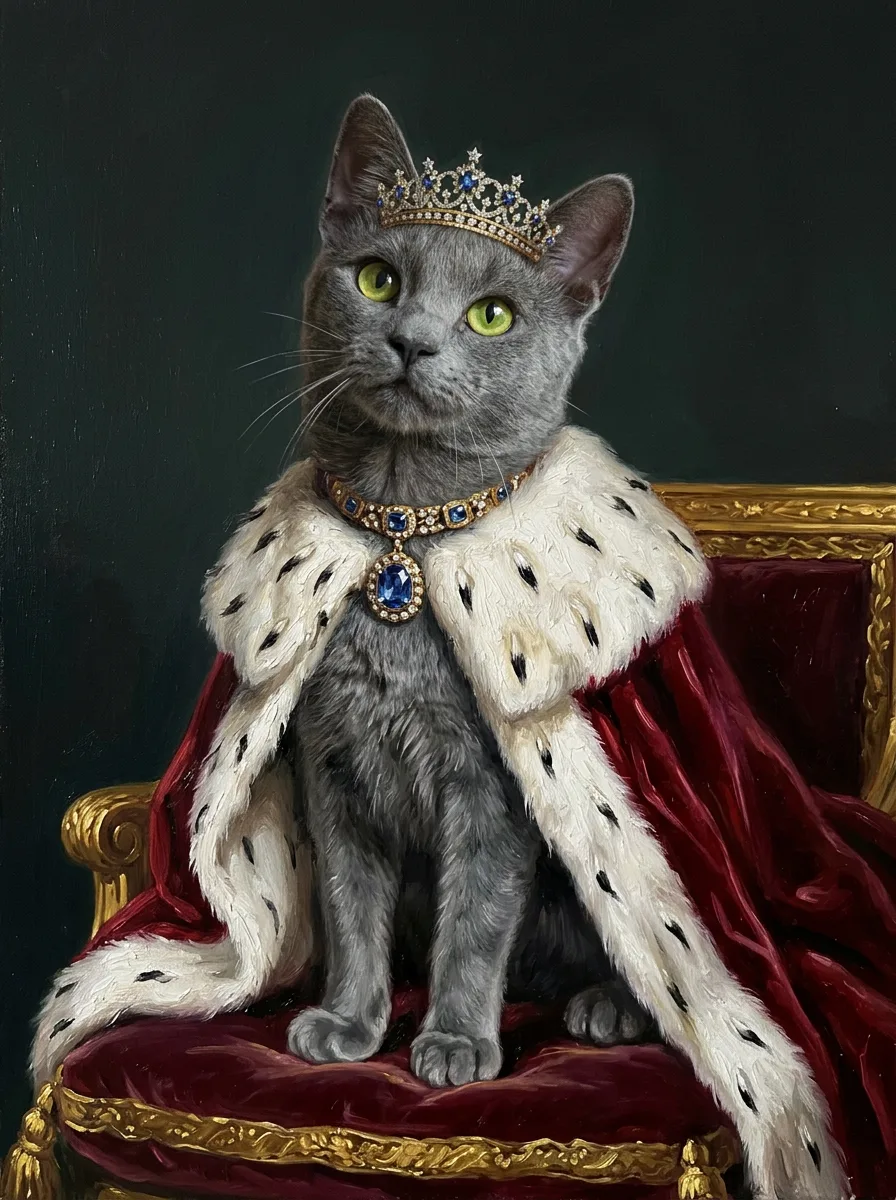
A portrait is one option among the ones above, not an upgrade on them, and it suits a narrower set of situations — mainly people you know well enough to already sense they'd want it. Fur d'Amore's memorial portrait option works from a photograph of any pet, not only a dog or cat — a rabbit, a horse, a bird — since the process is built around the photograph supplied rather than the species in it.
The artwork itself is AI-powered, which is what makes a free preview possible before anyone commits to anything. What follows the preview is physical: archival canvas printing and a heritage frame, small enough for a flat as easily as a house, and meant to hold its colour rather than fade. A printed piece through Fur d'Amore ranges from around £15 for a digital file to about £226 for a large heirloom-framed canvas; prices move with exchange rates, and the figure shown at checkout is the one that counts. None of this needs deciding on someone else's behalf — where a portrait feels like the right idea, it's usually better offered gently, with a preview to look at together, rather than bought outright and presented as a surprise.
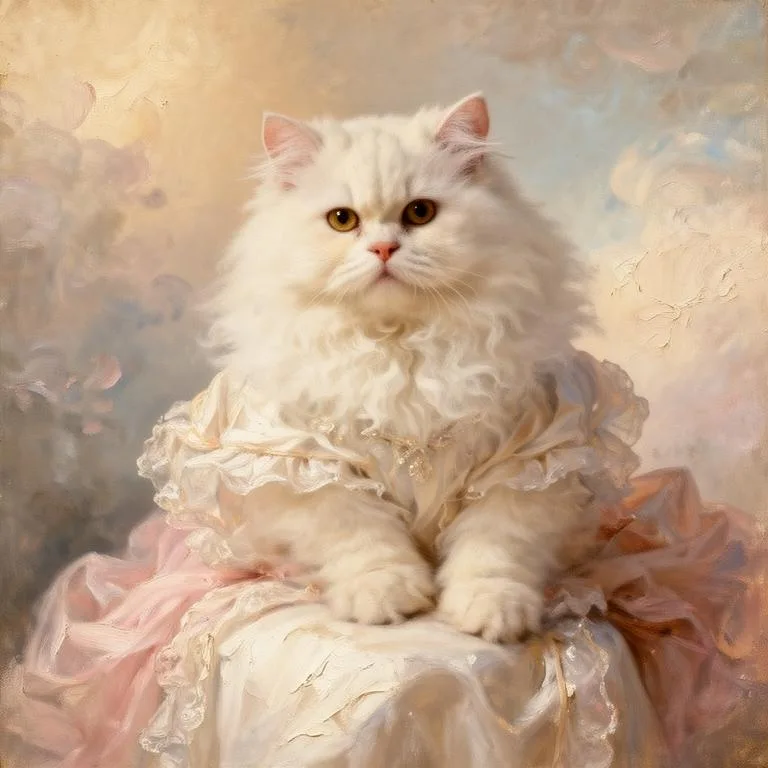
Portraiture as tribute has a long history well beyond Britain alone — the Getty and the Rijksmuseum both hold centuries of commissioned portraiture made for much the same reason, and closer to home the Wallace Collection's own portraits make the same point. It's an old idea; a photograph and a screen are simply how it's approached now.

Support and delivery in the UK
The RSPCA, Cats Protection and PDSA all publish advice on coping with pet loss, and none limit it strictly to dogs — a good deal applies just as well to a cat, a rabbit or a bird. The British Veterinary Association is worth knowing about too, particularly where the loss followed a decision made with a vet rather than an unexpected death; that kind of grief often carries a different weight, sometimes including guilt that isn't warranted but is common all the same. It's worth saying plainly that looking for this kind of support isn't a sign of struggling more than one should — it's simply sensible, in the same way anyone might seek guidance after any other significant loss. Fur d'Amore's own guide on coping with the loss of a pet gathers some of this in one place.
Fur d'Amore ships to the United Kingdom, and every price is shown in pounds throughout. Shipping is calculated at checkout, before payment, and a free preview comes first for anyone considering a portrait. Digital downloads are available instantly; printed and framed portraits take 5–7 business days for production, and international delivery typically takes 7–14 business days, as stated in the questions section of the Fur d'Amore homepage. For parcels arriving from outside the UK, general HM Revenue and Customs rules on import VAT and, above certain values, customs duty can apply to goods arriving from overseas; the GOV.UK guidance sets out the general position. Questions about ordering are answered in the FAQ, and Fur d'Amore's full UK page holds the complete price ladder.
Sources and further reading
Frequently asked questions
What's a good memorial gift for someone who has lost a pet?
A card that names the pet, or a donation made in their memory to a UK charity such as the RSPCA or PDSA, is almost always right, whatever the animal was. Anything more considered, like a keepsake or a portrait, tends to suit closer relationships better than distant ones. Following the bereaved person's lead matters more than the object itself.
What should I say to someone whose pet has died?
Name the pet rather than saying only "your pet", and keep the message short and specific rather than generic. Mentioning something you remember about the animal usually means more than a lengthy card. Avoid comparing the loss to a different kind of bereavement, and don't suggest a new pet unless they raise it first.
Is it appropriate to buy a memorial gift for a rabbit or a horse, not just a dog or cat?
Yes. Grief for a rabbit, guinea pig, bird or horse deserves the same seriousness as grief for a dog or cat, even though it isn't always treated that way. A card, a donation or a considered keepsake all work regardless of species; what matters is acknowledging the loss rather than judging it by the animal's size.
Does Fur d'Amore deliver pet memorial portraits to the UK?
Yes. Fur d'Amore ships to the United Kingdom with every price shown in pounds, and shipping is calculated at checkout before payment. A free preview is shown before any commitment is made. For parcels arriving from outside the UK, general import VAT and duty rules from HM Revenue and Customs can apply above certain values, as GOV.UK explains.
Where can I find UK support after a pet dies, if it wasn't a dog?
The RSPCA, Cats Protection and PDSA all publish advice covering a wide range of pets, not only dogs, and the British Veterinary Association is a sensible starting point after a loss involving a vet's decision. Grief for any species of pet is real, and UK-based support exists for it.