Gifts for Animal Lovers: 25 Ideas Beyond Pet Stuff
“Animal lover” covers two completely different people, and buying for the wrong one is why this category goes wrong so often. One of them loves animals — wildlife, birds, whales, the whole taxonomic sprawl — and wants binoculars, memberships and conservation work funded in their name. The other loves one specific dog or cat and wants something that features that animal and no other. The gifts barely overlap. Below are 25 ideas split along exactly that line, from under $25 to the piece that ends up framed, with a note on the one gift you should almost never give.

The 25 best gifts for animal lovers, at a glance
- A portrait of the animal they actually live with — the heirloom
- A good pair of binoculars
- A regional field guide to birds or mammals
- A zoo, aquarium or wildlife park membership
- A symbolic adoption from a conservation organisation
- A shelter sponsorship in their name
- A bird feeder and a season of good seed
- A native plant kit for pollinators
- A bat box or bee hotel for the garden
- A trail camera for the back fence
- A nature photography workshop
- A subscription to a natural history magazine
- A coffee-table book on animals in art
- A wildlife calendar from a conservation charity
- A guided wildlife walk or safari day
- A hummingbird or butterfly feeder
- A pond or water dish for garden wildlife
- A framed vintage natural history print
- A donation to a wildlife rehabilitation centre
- Volunteering time at a shelter, arranged in advance
- A pet first aid kit and course
- An engraved keepsake naming their animal
- A photo book of a year with their animals
- Cruelty-free household or beauty products
- A membership to a botanical garden or reserve
Which kind of animal lover are you shopping for?
Establish this before you spend anything, because the two groups want opposite things.
The wildlife person watches, reads and travels. Their pleasure is in seeing something they have not seen before, and their frustration is not being able to see it well enough. Gifts that improve access — optics, memberships, guided days, a garden that attracts more life into it — are worth more to them than any object. They are also, as a group, unusually motivated by whether a purchase does any good, which is why donation-based gifts land here and nowhere else.
The pet person loves one or two named individuals. Their gift has to feature that animal. Anything about animals in general reads as a near miss, however expensive. If that is who you are buying for, our guide to gifts for pet lovers is the better list, and the equestrian version is gifts for horse lovers.
Plenty of people are both. In that case, buy from the wildlife column for the hobby and add something small and personal from the pet column — that combination is hard to beat.
What gifts for animal lovers actually help animals?
Memberships and donations, and they are more giftable than they sound because most come with something to unwrap. A membership to the Smithsonian’s National Zoo and Conservation Biology Institute or a comparable local institution funds work all year and gets used all year. Symbolic adoption programmes run by WWF come with a physical package. Membership of the National Audubon Society suits anyone with a bird feeder, and The Nature Conservancy works at the habitat scale for people who think in landscapes rather than species.
Closer to home, a sponsorship at a local shelter or a donation to a wildlife rehabilitation centre is often more meaningful than a national gift, because the recipient can go and see the place. Humane World for Animals maintains guidance on supporting local shelters, and the ASPCA publishes care resources worth pairing with any adoption-adjacent gift. One caution: check the organisation before you give. Charity ratings services exist for a reason, and a well-meaning gift to a badly run group helps nobody.
| Budget | For the wildlife lover | For the pet lover |
|---|---|---|
| Under $25 | Field guide, wildlife calendar, native seed kit | Photo ornament, custom cards, engraved tag |
| $25–$75 | Bird feeder and seed, bat box, symbolic adoption | Small framed desk print, photo book |
| $75–$150 | Zoo or aquarium membership, trail camera | A gallery canvas of their animal |
| $150+ | Binoculars, photography workshop, guided wildlife day | A framed portrait — the heirloom tier |
What do bird and wildlife people want that nobody buys them?
Optics, first and last. A decent pair of binoculars is the single highest-return gift in this entire article: it costs once and improves every walk they take for the next fifteen years. Most casual wildlife watchers are using something borrowed, broken or bought in the 1990s, and they will not upgrade on their own. Pair it with a regional field guide — regional matters, because a continental guide is four times the size and half the use.
After that, think about turning their garden into somewhere animals want to be. A feeder and good seed. A native plant kit chosen for pollinators. A bat box, a bee hotel, a shallow water dish. A trail camera on the back fence, which produces the specific joy of discovering what walks through the yard at 3am. These are cheap, they compound, and they generate stories.
The premium tier is access: a guided wildlife walk, a nature photography workshop, a day at a reserve with someone who knows where to look. Experiences beat objects for people whose hobby is fundamentally about being outside.

Why is animal art such a reliable gift?
Because it is one of the oldest subjects in art and almost nobody buys it for themselves. Animal painting occupied a curious position in the old hierarchy of genres — ranked below history painting, and then quietly produced some of the most arresting pictures in any European collection. The animal holdings at the Metropolitan Museum of Art, the National Gallery of Art and the Getty are free to browse online and will give you a much better sense of what a person actually likes than any product page.
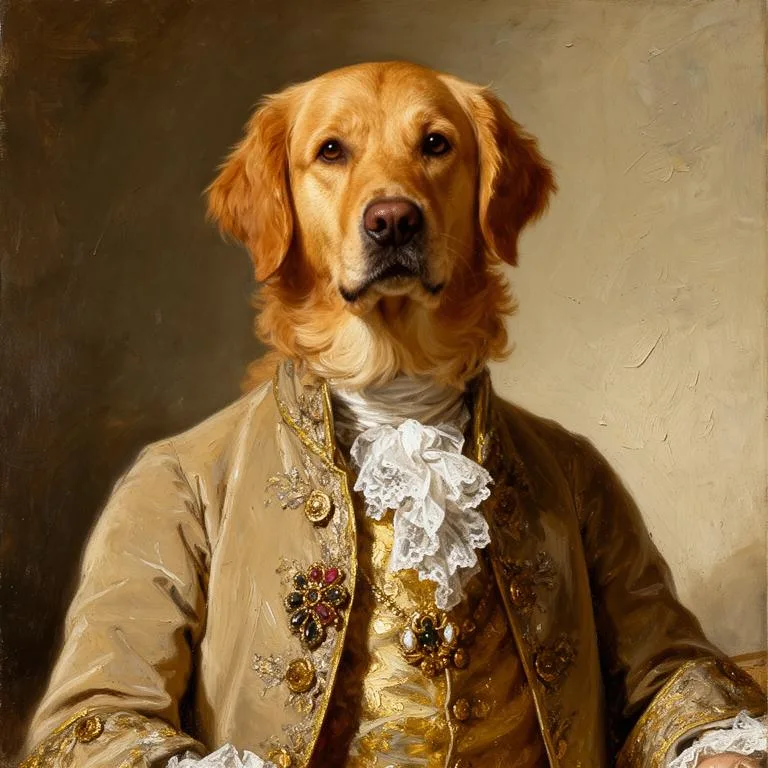
Two routes from there. A vintage natural history print — a plate from an old ornithological or zoological volume, framed properly — suits the wildlife person, costs little, and looks considered. Or, for someone whose favourite animal lives in their house, a commissioned portrait of that animal. Fur d’Amore builds the artwork with AI from a photo already on a phone, then prints it on archival canvas and sets it in a heritage frame, which is what turns an image into an object you have to find a wall for. Rated 4.9/5 by 10,000+ customers, with a free preview before you pay. The portrait styles page shows the six options, and custom family portraits covers what happens when the humans want to be in it too.
What should you avoid giving an animal lover?
Four things, in descending order of seriousness.
A live animal. Never, unless it has been explicitly arranged with the person who will be responsible for it. A dog or cat is a ten-to-twenty-year commitment of time and money, and surprise adoptions are a known route back to the shelter. If someone has genuinely decided to adopt, the useful gift is to cover the adoption fee, the first veterinary visit, or the supplies.
Anything that has to fit or be eaten. Collars, harnesses, blankets, feed and supplements are all specific to an individual animal. The same caution applies across species — the ASPCA’s horse care guidance explains why sudden dietary changes are a genuine health risk, and the logic holds for dogs and cats too.
Generic animal merchandise. The wolf-print fleece, the elephant figurine, the slogan mug. Not harmful, just already owned. If a gift would work equally well for any of a hundred people, it is not really a gift for this person.
Anything with a hidden obligation. A subscription that auto-renews, a plant that needs daily care, a hobby they have not asked for. When ordering from an unfamiliar seller, the FTC’s consumer advice is a quick check on auto-renewal terms, delivery promises and refunds.
What makes a printed gift last?
The specification, not the picture. Giclée printing means pigment inks on heavy archival stock, which holds colour for decades rather than fading in a bright room within a few years. Ask what the substrate is, ask what the inks are, and keep the finished piece off a wall in direct sun. A framed print bought on those terms is still on the wall in twenty years; a cheap poster of the same image is not.
How to choose, in three questions
- Wildlife or their own animal? Everything follows from this.
- Object or access? Wildlife people usually prefer access — memberships, workshops, guided days.
- Do you want the gift to do some good? If yes, a membership or sponsorship achieves that and still gives them something to open.
When in doubt, go specific. For more in the personalized direction, see personalized pet gifts.
Sources and further reading
Frequently asked questions
What is a good gift for an animal lover?
Start by working out which animals they mean. Someone who loves wildlife wants binoculars, a field guide, a zoo or aquarium membership or a conservation donation. Someone who loves their own dog or cat wants something featuring that specific animal. Buying wildlife gifts for a pet person, or pet merchandise for a birder, is the most common miss in this category.
What gifts actually help animals?
Donations and memberships do the most measurable good: a membership at a zoo, aquarium or wildlife organisation, a symbolic adoption in the recipient's name, a shelter sponsorship, or a gift to a rescue. These generally come with something physical to unwrap, which solves the problem of a gift that is only a receipt.
What do you buy someone who loves wildlife rather than pets?
Optics and access. A decent pair of binoculars transforms every walk they take for the next decade, and a regional field guide turns vague interest into identification. After that: a zoo, aquarium or reserve membership, a nature photography workshop, a bat box or bird feeder for the garden, and books from organisations that publish their own science.
What are good animal lover gifts under $50?
A regional field guide, a good bird feeder, a native plant kit for pollinators, a symbolic adoption, a wildlife calendar from a conservation organisation, or a framed print of an animal they care about. If they have a pet, a photo ornament or set of custom cards made from a favourite picture beats anything generic at the same price.
Should you give someone an animal as a gift?
Only if it has been explicitly arranged with the person who will care for it. An animal is a decade-long commitment in time and money, and surprise adoptions are a known source of shelter returns. If someone has genuinely decided to adopt, a much better gift is to cover the adoption fee, the first vet visit, or the supplies they will need.
Written by the Fur d’Amore studio — we reimagine the animals and people you love as Renaissance masterpieces on museum-grade canvas. See the portraits, or start with our wider guide to gifts for pet lovers.